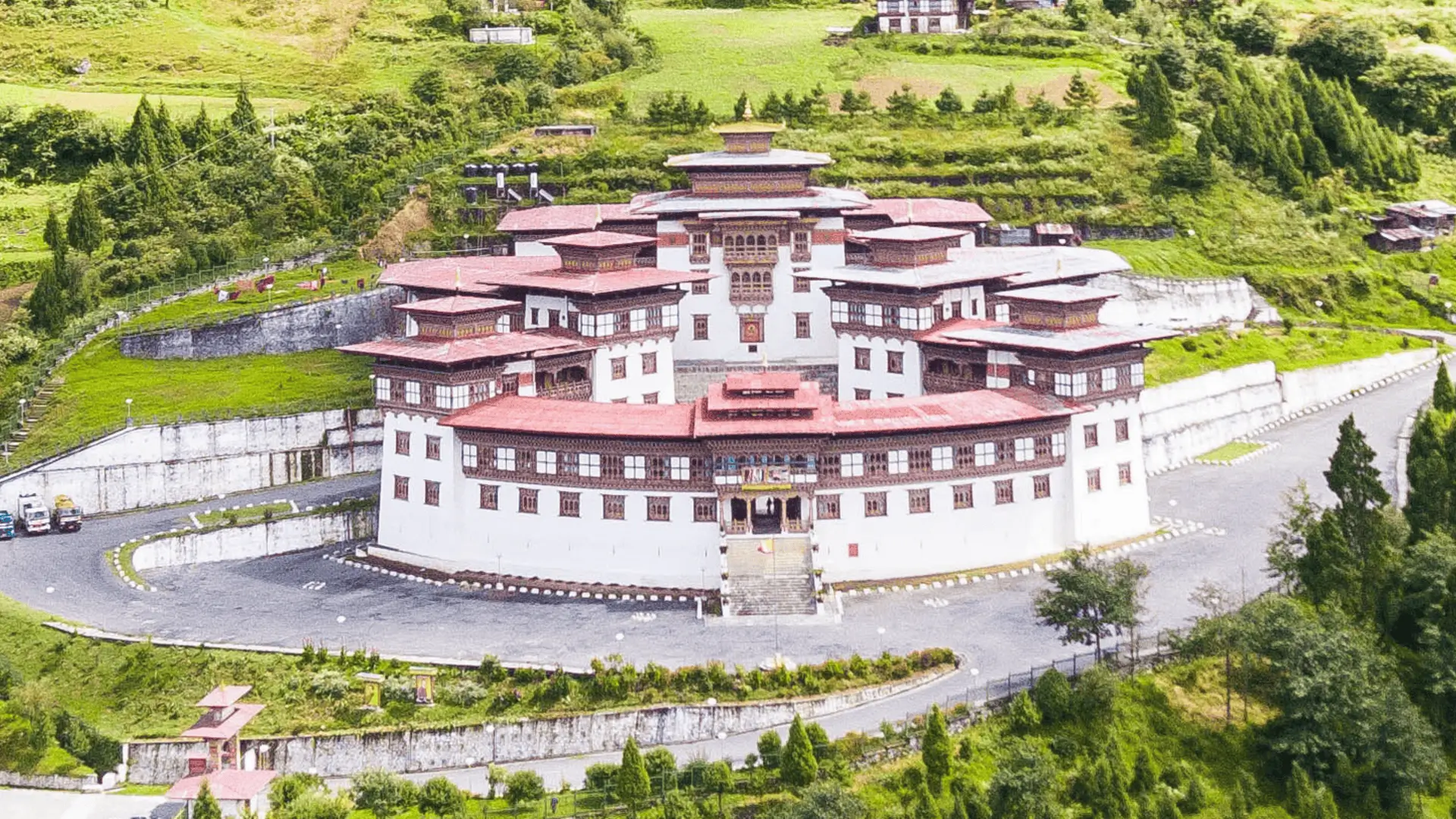
Chhukha Tshechu
Festival
About the Festival
Chhukha Tshechu — Festival at Bhutan’s Western Gateway
The Chhukha Tshechu is a three-day festival at Chhukha Ngedrup Tse Dzong, instituted in 1988, in the district that serves as the main entry point into Bhutan from India. Chhukha district contains Phuntsholing — the busiest border town in the country, where the road from Siliguri and Kolkata crosses into Bhutan — and is the first major district most land-entry visitors encounter. The Tshechu is held in the dzong courtyard as an offering to Guru Rinpoche, featuring three days of Cham mask dances, regional folk songs and dances specific to the Chhukha tradition, and the Guru Rinpoche Thongdrel on the final day.
Chhukha district is also the powerhouse of Bhutan’s economy in a literal sense: the Chhukha Hydropower Plant on the Wangchu river and the larger Tala Hydropower Plant are among the most important pieces of infrastructure in the country, generating electricity that is both used domestically and exported to India. This export income funds much of Bhutan’s development budget. The festival is held against this backdrop of a district that is simultaneously Bhutan’s most modern, most commercially active, and most physically dramatic — where the road from the subtropical Duars plains climbs rapidly through subtropical forest to the Bhutanese highlands.
When
September or October
Where
Chhukha Dzong
For
All Visitors Welcome
Guide Required
Yes — Mandatory
Festival Highlights
What Makes This Festival Special
01
Sacred Mask Dances (Cham)
One of the most captivating features of the Chhukha Tshechu is its Cham dances, performed by monks and lay dancers in elaborate costumes and masks. These dances are more than just a visual spectacle—they are living offerings to Guru Rinpoche and the protective deities. Each dance narrates sacred stories, and the cumulative effect of three days of continuous ritual performance is believed to consecrate the entire district for the year ahead.
02
Rituals and Sacred Offerings
The festival is not just a celebration of music and dance but also an opportunity for devotees to offer prayers and receive blessings. Monks conduct elaborate rituals and prayers, invoking the protection and blessings upon the assembled community. The ritual programme reflects the Drukpa Kagyu tradition and is performed by the monks of the Chhukha monastic body.
03
The Thongdrel Ceremony
On the final day of the festival, a Thongdrel, a massive tapestry depicting Guru Rinpoche and other deities, is unfurled at dawn. The sight of the Thongdrel is believed to purify the viewer’s sins and bring liberation from the cycle of rebirth to all who witness it. The Thongdrel is displayed until the first direct sunlight reaches it, then carefully returned to storage for another year.
04
Traditional Bhutanese Hospitality and Community Spirit
The Chhukha Tshechu is not only about religious rituals but also about the celebration of community. Local villagers come together in their finest traditional attire to participate in the dances, enjoy the festival atmosphere and reconnect with friends and family from across the district. The Chhukha Tshechu is the largest community gathering of the year in one of Bhutan’s most commercially active districts.
05
Local Markets and Food
During the festival, the area around the Dzong transforms into a lively market, where visitors can purchase local handicrafts, textiles, and traditional Bhutanese garments. The festival is also an excellent opportunity to taste local specialities including mandarin oranges, cardamom-infused dishes, and fresh vegetables grown in the subtropical Chhukha valleys.
06
A Deep Cultural Experience
The Chhukha Tshechu offers an authentic glimpse into Bhutanese culture and spirituality. The festival is a celebration of life, faith, and community, making it a unique experience for travelers seeking an authentic Bhutanese festival experience in a district whose dramatic landscape — from the Duars plains below to the forested ridges above — is unlike any other festival setting in Bhutan.
Practical Information for Visitors
Plan Ahead
The festival is popular among locals and tourists alike, so it’s best to book accommodation and transportation early.
What to Wear
While attending a festival, it’s important to dress respectfully. Bhutanese people wear their traditional Gho and Kira during Tshechus, and it’s customary for visitors to dress modestly. Avoid wearing revealing clothing and wear light, modest layers — October and November in Chhukha at around 600–1,500m are warm. The district’s subtropical climate means the festival can be humid. Chhukha is easily reached from Thimphu (about 2 hours) or Phuntsholing (about 1.5 hours).
Photography
Photography is allowed at most festivals, but it’s always polite to ask before taking pictures, especially of monks or religious figures. Be respectful of the rituals, and avoid using flash photography during performances.
Engage a Guide
A knowledgeable guide can enrich your understanding of the rituals and their significance. Also a certified tour guide is mandatory to attend festivals and visit most of the major tourist attractions and monuments in Bhutan
Food Options
Bhutan offers a diverse range of food options, from delicious traditional Bhutanese dishes to international cuisines, including plenty of vegetarian choices to suit every taste.
Respect Local Customs
Follow the guidance of your guide and observe the rules of the area.
Chhukha — Gateway & Powerhouse
Bhutan’s Most Commercially Vital District
Chhukha district occupies a unique position in Bhutan’s national life. It is the point of entry for the majority of land-based visitors, the site of the main border crossing at Phuntsholing, and the location of the two hydropower projects that together generate a significant portion of Bhutan’s GDP. It is also the district that most dramatically illustrates the altitude range of Bhutan: the road from Phuntsholing on the Indian border (at around 150m above sea level) to the Bhutanese highlands passes through some of the most dramatic landscape in the country, climbing through subtropical broadleaf forest, temperate mixed woodland, and blue pine forest within the space of a few hours’ drive.
Phuntsholing, the district’s main commercial town, sits directly on the border with West Bengal. It is one of the busiest commercial hubs in Bhutan — a 24-hour border town where Indian and Bhutanese traders, workers, and visitors cross in both directions. The contrast between Phuntsholing and the highland Bhutanese dzongs a few hours up the road is one of the starkest in the country.
The Hydropower Projects — Chhukha’s Economic Contribution
The Wangchu (Wang Chhu) river that runs through Chhukha district has been harnessed for two major hydropower projects. The Chhukha Hydropower Plant, commissioned in 1986–88, was the first large-scale hydroelectric project in Bhutan and transformed the country’s economy. The Tala Hydropower Plant, the larger successor project commissioned in 2006–2007, produces approximately 1,020 MW and is one of the largest run-of-river hydropower plants in the world. Both plants export electricity to India, and the revenue from these exports constitutes a major portion of the Bhutanese government’s revenue.
The Darla Hydropower Viewpoint, accessible as a day trip from the Chhukha Tshechu, offers a striking view of the hydropower infrastructure in the river gorge below. It is a useful complement to the festival for visitors interested in understanding how Bhutan funds its Gross National Happiness model: the revenue from selling clean hydroelectric power to India is what enables the government to provide free healthcare, subsidised education, and conservation-led development.
What to See Near Chhukha
- Kharbandi Gompa — a monastery above Phuntsholing with good views over the Duars plain and the Indian border. Contains a large statue of Guru Rinpoche and is one of the most accessible monasteries in southwestern Bhutan.
- Zangtho Pelri Lhakhang — a three-storey temple in Phuntsholing representing the celestial abode of Guru Rinpoche, with intricate murals and statues.
- Dobji Dzong — a small dzong on the road between Thimphu and Chhukha, worth stopping at for its unusual round tower and peaceful setting.
- Darla Hydropower Viewpoint — a viewing platform above the Chhukha gorge with views of the hydropower infrastructure and the Wangchu valley below.
- Phuntsholing border crossing — for travellers entering Bhutan overland from India, Chhukha is the first district encountered. The town itself is a fascinating example of a Bhutanese–Indian border economy.
When is this Festival in 2026?
The Chhukha Tshechu Festival Bhutan is held annually following the Bhutanese lunar calendar. Contact us for confirmed dates and to book your trip well in advance — festival time is the busiest travel period in Bhutan.
Get Festival Dates & BookBook Your Festival Tour with Found Bhutan
Everything handled — visa, SDF, flights, accommodation, certified guide, and festival access.
Seamless Planning
We handle your Bhutan visa, SDF, flights, accommodation, certified guide, meals, and in-country transportation from arrival to departure.
Personalised Itineraries
Festival days combined with the experiences that matter most to you — treks, monasteries, village visits, or simply time to absorb Bhutan at your own pace.
Expert Local Guides
Our certified guides know every dance and every ritual. They bring the festival alive with context, stories, and insider access you won't find on your own.
You're a Guest, Not a Client
At Found Bhutan, we build relationships — not transactions. Many of our travellers return year after year, and many become lifelong friends.
Book Early
Festival tours sell out months in advance. Early bookings secure the best accommodation and guarantee your place at one of Bhutan's most extraordinary events.
Licensed & Local
Found Bhutan is a fully licensed Bhutanese tour operator. We are local, accountable, and deeply invested in showing you Bhutan at its most authentic.
Customise Your
Bhutan Tour Today
Fill in the form and our expert team will get back to you within 24 hours.
Stay in the loop
Travel stories from the Last Shangri-La
Join fellow Bhutan enthusiasts. Get our latest guides, travel tips and exclusive insights delivered to your inbox.
No spam, ever. Unsubscribe anytime.