Dagana Tshechu
Festival
About the Festival
Dagana Tshechu — Festival in the Realm of White Prayer Flags
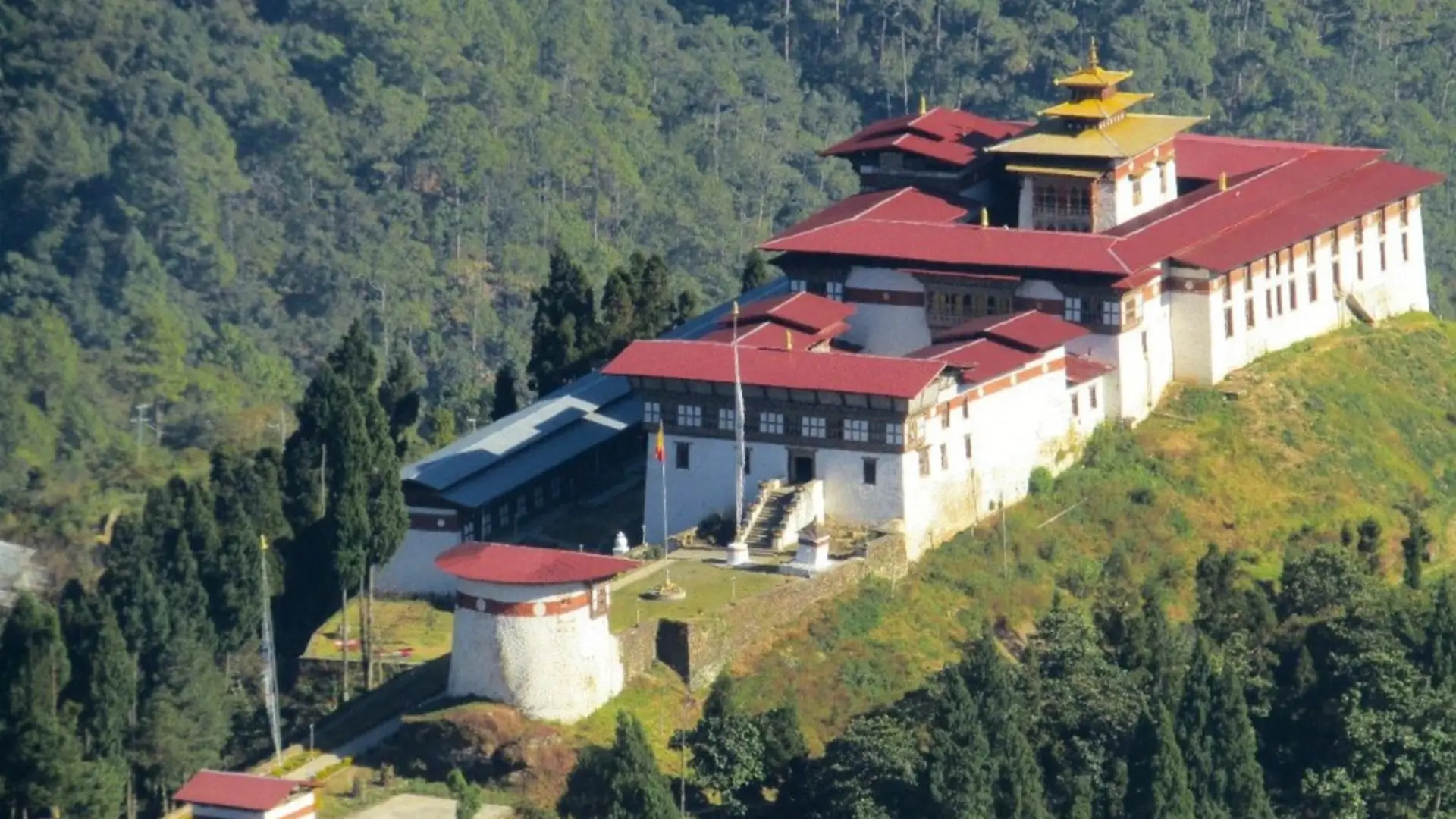
The Dagana Tshechu is held at Dagana Dzong in south-central Bhutan — a fortress whose name carries one of the most evocative origin stories in Bhutan. According to legend, the site for the dzong was marked by a white silk scarf — hence the name Dagana (from Dzongkha: dar dkar na, meaning white silk scarf). The dzong’s alternative name, Darkanang, means the Realm of White Prayer Flags. It was built in 1651 by Dronyer Druk Namgyel under the command of Zhabdrung Ngawang Namgyal to defend the southern approaches to the Bhutanese heartland from the lowland states of present-day Assam and West Bengal.
Dagana district covers 1,723 sq km of south-central Bhutan, at an elevation ranging from subtropical foothills to highland ridges. The district was deeply involved in the Duar War of 1864–65 — the conflict between Bhutan and British India that ended with the Treaty of Sinchula and Bhutan ceding the lowland Duars plains. That history gives the district a particular significance in Bhutanese national identity. Both Ngalop and Lhotshampa communities inhabit the district today, bringing two distinct cultural traditions to the Tshechu celebrations.
When
September or October
Where
Dagana Dzong
For
All Visitors Welcome
Guide Required
Yes — Mandatory
Festival Highlights
What Makes This Festival Special
01
Sacred Cham Dances
The Cham dances performed at the Dagana Tshechu are in the Drukpa Kagyu tradition established by Zhabdrung Ngawang Namgyal, whose command built this very dzong in 1651. The dances narrate the triumph of the Dharma, the manifestations of Guru Rinpoche, and the protection of Buddhism. The Thongdrel is unfurled on the final day for the assembled community to receive the liberation blessing.
02
Two Communities, One Festival
Dagana’s population is divided between Ngalop communities (Dzongkha-speaking, from northern Bhutan) and Lhotshampa communities (Nepali-speaking, from the southern foothills). The Tshechu brings both together in their finest traditional dress — creating a visual and cultural diversity specific to south-central Bhutan’s mixed-ethnicity districts.
03
The Buffalo Horn of the First Penlop
Dagana Dzong houses a sacred buffalo horn measuring 4 feet 5 inches, believed to have been discovered by Daga Penlop Tempa Thinley in the early 16th century. It is kept among the dzong’s most precious sacred relics. The dzong also houses three ancient megaliths associated with the founding legend: Do Namkhai Kaw (sky pillar rock), Do Kelpai Genthey (rock of ancient steps), and Tha Namkhai Dzong (frontier sky fortress).
04
A Dzong Shaped by War with British India
Dagana district played a direct role in the Duar War (Bhutan War) of 1864–65, the conflict between Bhutan and British India over the lowland Duars. The Treaty of Sinchula that ended the war resulted in Bhutan ceding the southern plains permanently. Attending the Tshechu at Dagana Dzong is to stand in a fortress that defended exactly this frontier — the borderline between Himalayan Bhutan and the subcontinent below.
05
Subtropical Agriculture — Citrus and Cardamom
Dagana is known for its warm subtropical climate and agricultural productivity. Citrus orchards cover the lower slopes, and cardamom, ginger, and vegetables are grown across the district. The festival market features fresh produce and local food that reflects this subtropical bounty — a tangible expression of the district’s geography.
06
The Name Written in the Sky
The district’s two names together tell a story: Dagana (“white silk scarf” — marking the site) and Darkanang (“Realm of White Prayer Flags” — describing its spiritual character). These names, given by the guardian deity Jomo Darkala and the great Buddhist master Dudjom Jigdrol Yeshey Dorji, give the Dagana Tshechu its deepest context: a festival in a place that was sacred and consecrated before the dzong was ever built.
Practical Information for Visitors
Plan Ahead
The festival is popular among locals and tourists alike, so it’s best to book accommodation and transportation early.
What to Wear
While attending a festival, it’s important to dress respectfully. Bhutanese people wear their traditional Gho and Kira during Tshechus, and it’s customary for visitors to dress modestly. Avoid wearing revealing clothing and wear comfortable, modest layers — September and October in Dagana at around 1,400m are warm and pleasant. The dzong sits on a ridge with good views of the surrounding valley. The drive from Phuntsholing takes approximately 3 hours; from Thimphu approximately 5 hours on mountain roads.
Photography
Photography is allowed at most festivals, but it’s always polite to ask before taking pictures, especially of monks or religious figures. Be respectful of the rituals, and avoid using flash photography during performances.
Engage a Guide
A knowledgeable guide can enrich your understanding of the rituals and their significance. Also a certified tour guide is mandatory to attend festivals and visit most of the major tourist attractions and monuments in Bhutan
Food Options
Bhutan offers a diverse range of food options, from delicious traditional Bhutanese dishes to international cuisines, including plenty of vegetarian choices to suit every taste.
Respect Local Customs
Follow the guidance of your guide and observe the rules of the area.
The Dzong Named for a White Silk Scarf
Dagana Dzong — Built to Defend the Southern Frontier
Dagana Dzong was built in 1651 by Dronyer Druk Namgyel under the direct command of Zhabdrung Ngawang Namgyal — as part of his programme of fortifying Bhutan’s southern frontier against the lowland states of what is now Assam and West Bengal. Its position on a ridge overlooking the valley reflects this defensive purpose. The first Daga Penlop (governor) appointed to the fortress was Tenpa Thinley, who became the first in a line of governors that would hold Dagana’s southern approaches for the Bhutanese state.
The dzong’s formal name — Daga Trashiyangtse Dzong — reflects its origins. Its popular name Dagana derives from two sources: the guardian deity Jomo Darkala and the description Darkanang, meaning the Realm of White Prayer Flags, given by the great Buddhist master Dudjom Jigdrol Yeshey Dorji. The founding legend of the white silk scarf — that a scarf was used to mark the sacred site for the dzong’s construction — gives the district its most commonly used name.
Inside the dzong are three ancient megaliths: Do Namkhai Kaw (the sky pillar rock), Do Kelpai Genthey (the rock of ancient steps), and Tha Namkhai Dzong (the frontier sky fortress). Among the dzong’s sacred objects is a buffalo horn measuring 4 feet 5 inches, believed to have been discovered by the first Daga Penlop Tempa Thinley. The dzong has withstood several earthquakes and windstorms; the most severe occurred during the sixth Penlop Pekar Jungney, when the entire roof was blown away. It was renovated and consecrated by the 10th Chief Abbot, Je Tenzin Chogyal.
Dagana and the Duar War
The Duar War of 1864–65 — also called the Anglo-Bhutan War — was the culminating conflict of years of tension between Bhutan and British India over the Duars, the lowland plains immediately south of Bhutan’s southern border. Dagana district, positioned directly above these contested plains, was one of the key frontline districts. The war ended with the Treaty of Sinchula in November 1865, by which Bhutan ceded the 18 Duars permanently to British India. In exchange, Britain agreed to pay Bhutan an annual subsidy. The loss of the Duars was a significant diminishment of Bhutan’s territory, and the southern boundary of districts like Dagana was permanently redrawn.
This history is present in the landscape of Dagana today: the district occupies the transitional zone between the Himalayan foothills that remained Bhutanese and the plains that became British (and later Indian). Attending the Dagana Tshechu is to gather in a dzong whose defensive purpose was tested by this specific imperial confrontation.
Things to See Near Dagana
- Dagana Dzong interior — the megaliths, the buffalo horn, and the surviving sacred objects from the dzong’s 370-year history. The dzong serves as both administrative centre and monastic body residence.
- Phuntsholing — the main Bhutan–India border crossing, approximately 3 hours from Dagana. The border town is a fascinating study in Bhutanese–Indian cultural contact.
- Wangdue Phodrang — approximately 3–4 hours north, with the rebuilt Wangdue Phodrang Dzong and access to Gangtey and Phobjikha valley beyond.
- Trongsa — the road from Dagana north through central Bhutan passes through Trongsa district, with its historically significant dzong and museum.
When is this Festival in 2026?
The Dagana Tshechu Festival Bhutan is held annually following the Bhutanese lunar calendar. Contact us for confirmed dates and to book your trip well in advance — festival time is the busiest travel period in Bhutan.
Get Festival Dates & BookBook Your Festival Tour with Found Bhutan
Everything handled — visa, SDF, flights, accommodation, certified guide, and festival access.
Seamless Planning
We handle your Bhutan visa, SDF, flights, accommodation, certified guide, meals, and in-country transportation from arrival to departure.
Personalised Itineraries
Festival days combined with the experiences that matter most to you — treks, monasteries, village visits, or simply time to absorb Bhutan at your own pace.
Expert Local Guides
Our certified guides know every dance and every ritual. They bring the festival alive with context, stories, and insider access you won't find on your own.
You're a Guest, Not a Client
At Found Bhutan, we build relationships — not transactions. Many of our travellers return year after year, and many become lifelong friends.
Book Early
Festival tours sell out months in advance. Early bookings secure the best accommodation and guarantee your place at one of Bhutan's most extraordinary events.
Licensed & Local
Found Bhutan is a fully licensed Bhutanese tour operator. We are local, accountable, and deeply invested in showing you Bhutan at its most authentic.
Customise Your
Bhutan Tour Today
Fill in the form and our expert team will get back to you within 24 hours.
Stay in the loop
Travel stories from the Last Shangri-La
Join fellow Bhutan enthusiasts. Get our latest guides, travel tips and exclusive insights delivered to your inbox.
No spam, ever. Unsubscribe anytime.