Druk
Path Trek
Bhutan's most celebrated trail — 4 days from Paro to Thimphu across the kingdom's high ridge
Bhutan's Most
Beloved Trek
The Druk Path Trek is Bhutan's single most sought-after trekking adventure — and for good reason. This 4-day moderate to strenuous trail connects Paro valley to Thimphu, two of Bhutan's most culturally rich and visited destinations, following a wilderness ridge that passes through some of the kingdom's finest untouched landscapes. Lonely Planet describes it as "one of the most scenic and popular treks in Bhutan, following a wilderness trail past several remote lakes."
The route spans an altitude range of 2,400 m to 4,200 m — traversing enchanting blue pine and fir forests, dwarf rhododendron groves, and high open ridgelines with sweeping views of Bhutan's Himalayan giants. The trail passes ancient lhakhangs and dzongs, small traditional villages, seasonal yak herder camps, and a succession of pristine alpine lakes. On Day 3, the breathtaking Jimiling Lake — its crystal-clear waters home to wild trout — is the centrepiece of the route.
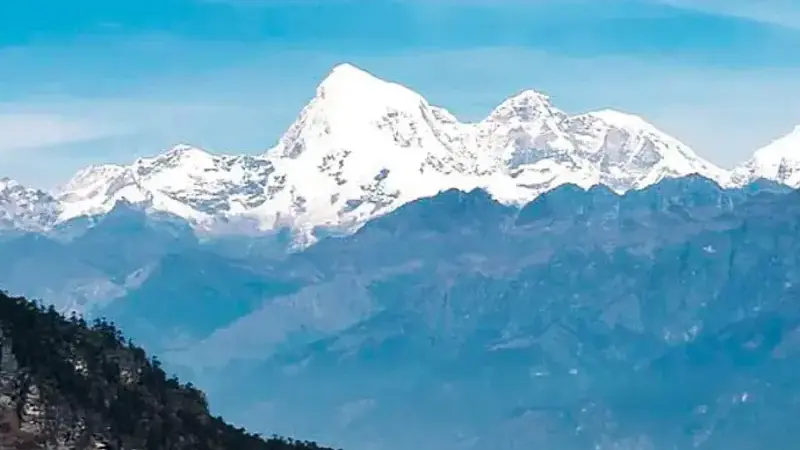
The crowning glory of the Druk Path is the view of Mt. Gangkar Puensum (7,570 m) — Bhutan's highest peak and the highest unclimbed mountain in the world — visible from the high passes and ridgelines on clear days. This trek offers short, manageable daily distances with conveniently positioned camps, making it challenging in altitude but accessible in logistics. It is the perfect Bhutan trek for those wanting maximum scenery in minimum time.
Six Reasons the Druk Path
is Bhutan's Best
Bhutan's Most Iconic Trek
The Druk Path is the benchmark against which all other Bhutan treks are measured. It has been walked by trekkers from around the world for decades — and continues to earn its reputation as the finest short highland trek in the kingdom, year after year.
Gangkar Puensum — The World's Highest Unclimbed Peak
From the high passes and open ridgelines of the Druk Path, on clear days you are rewarded with a view of Gangkar Puensum (7,570 m) — Bhutan's highest summit and the highest unclimbed mountain on earth. A sight few people on the planet ever see.
A Chain of Alpine Lakes
The Druk Path passes a succession of pristine highland lakes — culminating at the beautiful Jimiling Lake on Day 3, its crystal-clear waters teeming with wild trout. These untouched, mirror-still lakes surrounded by forest and ridge are among the most photogenic moments on any Bhutan trek.
Ancient Lhakhangs & Dzongs
The trail weaves past ancient lhakhangs (temples), ruins of historic dzongs, and remote hermitages perched on ridgelines — most of which see almost no visitors. These encounters give the Druk Path an unexpectedly rich cultural dimension alongside its natural wonders.
Pristine Blue Pine & Rhododendron Forest
The lower sections of each day are walked through extraordinary blue pine forest — silent, aromatic, and largely untouched. In spring, the dwarf rhododendrons above 3,500 m burst into colour along the ridge sections, creating a landscape of remarkable beauty.
The Perfect Paro–Thimphu Connector
Starting in Paro — home to Bhutan's only international airport and the legendary Tiger's Nest — and finishing in Thimphu, Bhutan's vibrant capital, the Druk Path fits seamlessly into any Bhutan itinerary. You fly in, trek, and emerge in the city ready to explore. No backtracking required.
Trek Highlights
& Best Season
Spring (March–May): The most popular season. Rhododendrons bloom brilliantly along the upper ridges, temperatures at camp are manageable, and the sky is often clear enough for Gangkar Puensum views. April is the peak month for both conditions and colour.
Autumn (September–November): The second best season — arguably the finest for Himalayan views. Post-monsoon clarity delivers exceptional visibility from the high passes. October is the single best month for weather stability and mountain panoramas. Nights at 3,800–4,100 m require a good sleeping bag.
Low Season (Dec–Feb & Jun–Aug): Winter is cold with potential snow at the passes; possible for experienced trekkers with proper gear. The monsoon (June–August) brings lush greenery but wet, slippery trails and limited visibility. Not recommended for first-time trekkers.
Day by Day
Itinerary
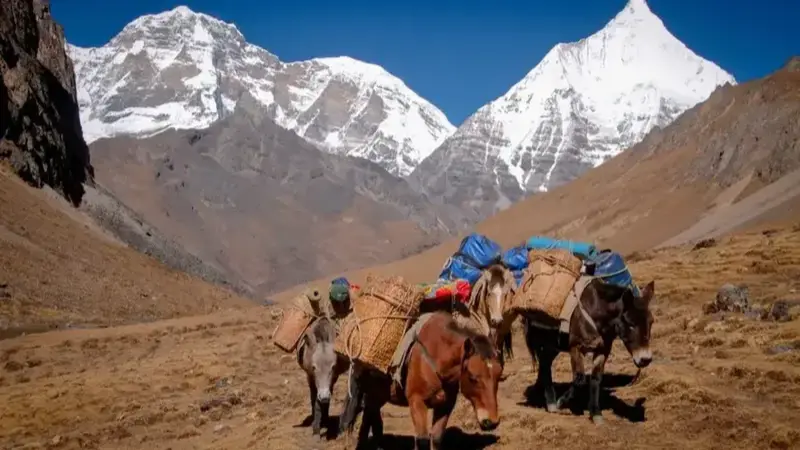
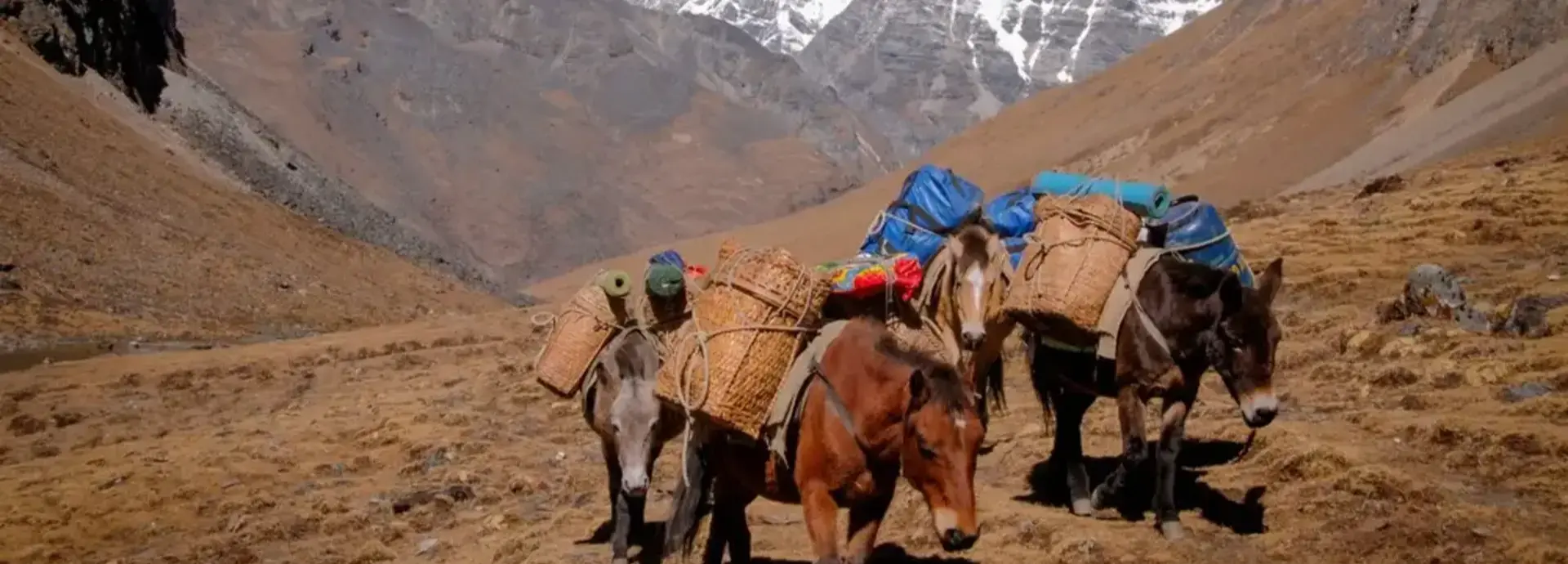
All meals on trek are freshly prepared each day by your camp cook. Each morning begins with a wake-up call, hot washing water, and tea or coffee delivered to your tent. Trekking starts around 8:30–9 am at a comfortable pace with a packed lunch eaten on trail. Camp is fully set up on arrival each afternoon. Pack horses carry all equipment — you trek with only a day pack.
The Druk Path begins at Damchena above Paro, entering a forest of towering blue pine that remains a constant companion through much of the first day. The trail climbs steadily and purposefully through the trees before breaking into more open terrain as altitude increases. Along the way, you pass the historic Jangchu Lhakhang — an ancient temple perched on the hillside — and continue to the Tshokam camp at 3,800 m. This is the longest day of the trek in both distance and effort. The campsite offers early glimpses of the high alpine world ahead.
Day 2 is a shorter, more relaxed day that rewards with increasing scenery and the first of the Druk Path's celebrated alpine lakes. The trail continues through fir and rhododendron forest, emerging onto open ridgelines with expanding views of the Himalayan range. The camp at Jigme Langtsho lake (3,900 m) is one of the most beautiful campsites on any trek in Bhutan — the still lake surface reflects the surrounding forest and sky, and on clear evenings the silhouette of the high ridges frames the scene perfectly. A relatively shorter walking day leaves time to rest, explore the lake shore, and acclimatise.
Day 3 is the scenic and cultural heart of the Druk Path. The trail passes the breathtaking Jimiling Lake — crystal-clear, high-altitude, and home to wild brown trout — where the views of the surrounding peaks are simply outstanding. The route then climbs to a high pass at approximately 4,200 m, the highest point of the trek, with panoramic Himalayan views that on clear days include the unmistakable outline of Gangkar Puensum (7,570 m), the world's highest unclimbed peak. Camp is set at Labana (4,100 m). The evening at this altitude, above the clouds and under an open sky, is unforgettable.
The final day begins with a climb to Labana Pass at approximately 4,200 m — the last high point of the trek and another occasion for Himalayan panoramas before the long descent begins. From the pass, the trail descends through dwarf rhododendron and then increasingly tall forest, gradually losing altitude as Thimphu valley reveals itself below. The route emerges at Motithang — an upscale residential area of Thimphu, home to the famous Takin Preserve. The moment you step from the trail onto a paved road, with the Thimphu skyline below, is a genuinely satisfying conclusion to four days of wilderness walking.
Our itineraries are always customisable — the trek can also be done in reverse from Thimphu to Paro. We can extend it with an extra acclimatisation day, or combine it with a pre-trek Tiger's Nest hike in Paro. Contact us to tailor it to your group.
Inclusions &
Exclusions
Included
- ✓Bhutan Sustainable Development Fee (SDF)
- ✓Licensed expert Bhutanese trekking guide
- ✓Certified camp cook & kitchen assistant
- ✓All meals on trek (breakfast, lunch & dinner)
- ✓High-quality camping tents & foam mattresses
- ✓Sleeping bags & blankets
- ✓Dining tent, toilet tent & cooking equipment
- ✓Pack horses & horsemen (full portage)
- ✓Filtered & boiled drinking water throughout
- ✓Hot washing water morning & evening
- ✓Communal first aid kit & oxygen canisters
- ✓All internal transportation (private vehicle)
- ✓Bhutan visa processing assistance
- ✓Lhakhang & cultural site entry fees
Not Included
- ✕ International airfare to/from Paro
- ✕ Travel & trekking insurance
- ✕ Personal trekking gear & clothing
- ✕ Alcoholic and soft beverages
- ✕ Personal expenses & gratuities
- ✕ Any services not listed above
Tour
Cost
| Group Size | Price Per Person (USD) | Notes |
|---|---|---|
| Solo Traveller (1 pax) | Contact for quote | Fully private experience |
| 2 Travellers | Contact for quote | Shared support crew |
| 3–4 Travellers | Contact for quote | Best value small group |
| 5+ Travellers | Contact for quote | Group discount applicable |
All prices include Bhutan's Sustainable Development Fee (SDF). Trekking surcharges are additional to SDF, guide fees, and vehicle charges. Rates vary by season and group size. Contact us for a personalised quote — every trek is tailored to your group, dates, and preferences.
Payment &
Cancellation Policy
We believe in transparent, fair terms. Please review our complete Payment Terms and Tour Cancellation Policy before confirming your booking.
Read Full PolicyEssential Tips for the Druk Path Trek
The Druk Path Trek is rated moderate — suitable for any reasonably fit adult with some walking experience. The first day involves a steep 1,200m climb, which is the most demanding section. Begin regular walking and light cardio training 4–6 weeks before your trip. No technical climbing skills are required at any point on the route.
The trek reaches a maximum of 4,210m. Spend at least one night in Paro (2,280m) before starting to allow initial acclimatisation. The ascent profile is gradual enough for most people but drink plenty of water, eat light meals at high altitude, and inform your guide immediately if you experience persistent headaches or nausea. Descend if symptoms worsen.
Temperatures at camp can drop below freezing even in spring and autumn — bring a sleeping bag rated to at least -10°C and warm layers including thermal base layers, a fleece, and a waterproof shell jacket. Days can be warm and sunny at altitude so pack sun protection (SPF 50+ sunscreen, UV-protective sunglasses, a sun hat). Weather can change rapidly — always carry your rain gear.
Spring (March–May) is spectacular for rhododendron blooms and pleasant temperatures, and coincides with the Paro Tsechu festival. Autumn (October–November) offers the clearest mountain visibility and most stable weather for photography. The route is not recommended during monsoon (June–August) as trails become muddy and leeches are active. Winter is very cold above 3,500m.
Day pack essentials: 2 litres water (refilled at camp), snacks, rain jacket, sunscreen, lip balm, trekking poles (highly recommended for the descent), headlamp, camera. Your main luggage is carried by pack horses — keep your day pack under 8kg. Trekking poles make a significant difference on the steep first-day ascent and final descent into Thimphu.
The Druk Path is one of Bhutan's finest photography routes. Carry extra batteries (cold temperatures drain them fast), a polarising filter for the lake reflections, and a wide-angle lens for the Himalayan panoramas. The best light is in the hour after sunrise — set your alarm early and walk up to the ridgeline above camp for golden hour shots of Jomolhari and the lakes below.
Real Photos from
Our Guests
These are real, unedited moments captured by travellers who explored Bhutan with Found Bhutan. Every photo tells a story — and your story is next.
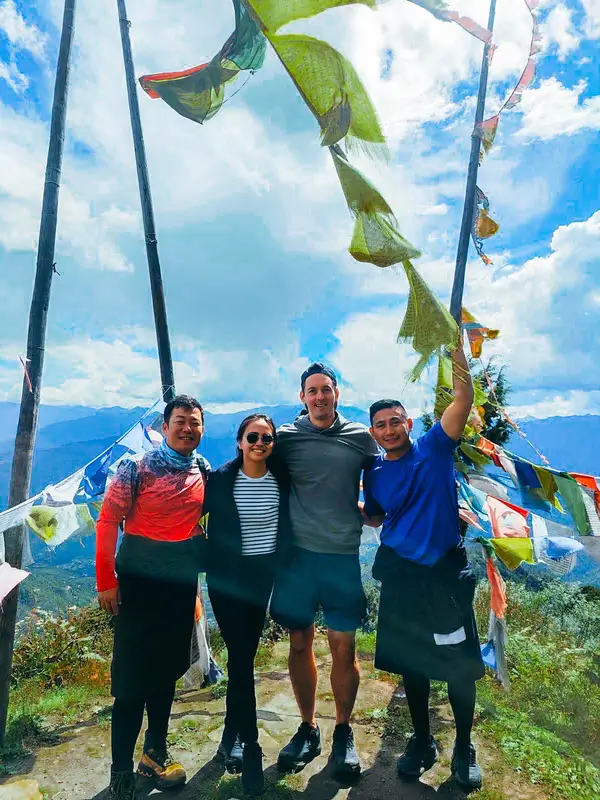
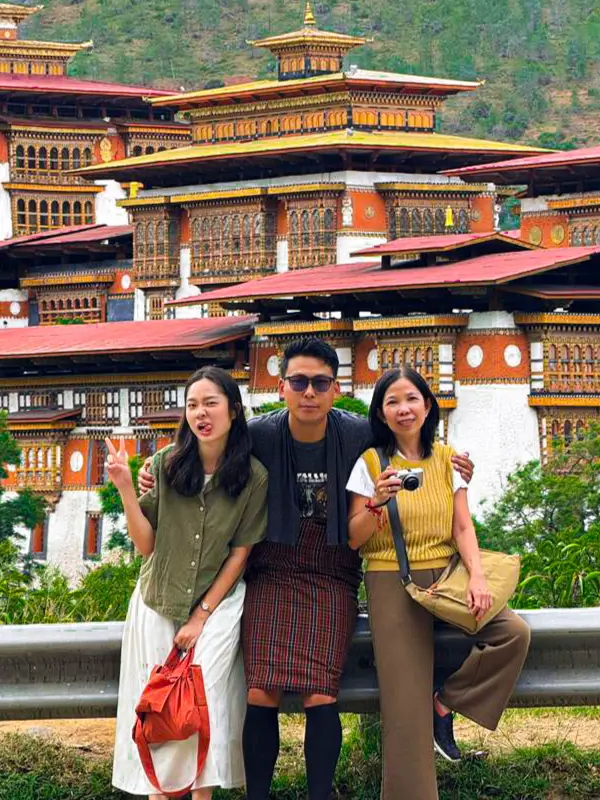
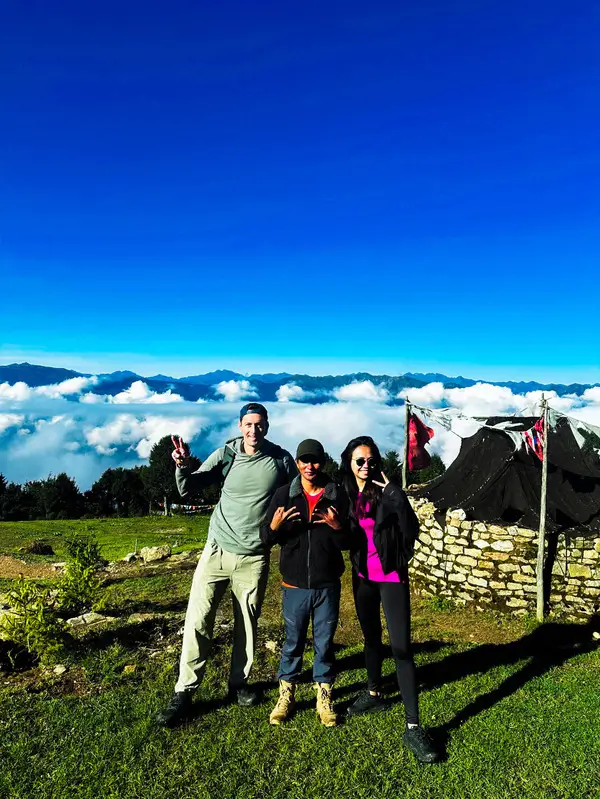
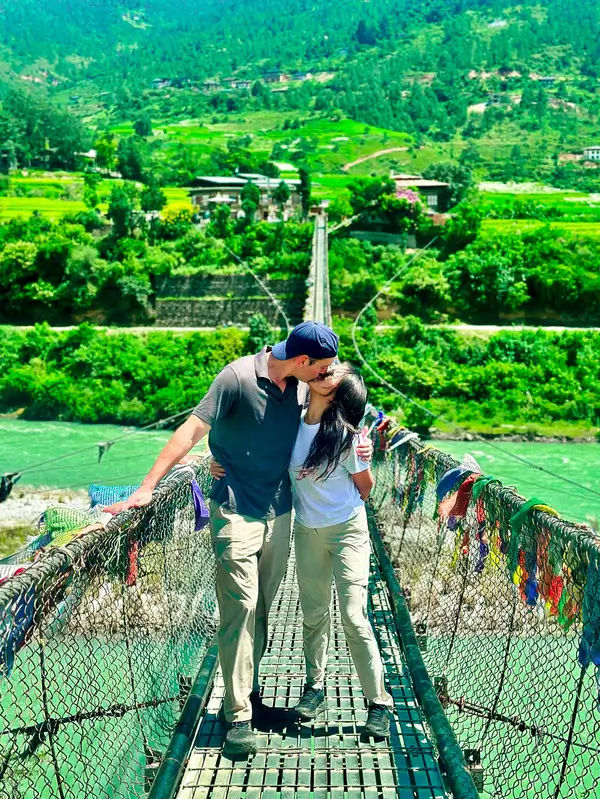
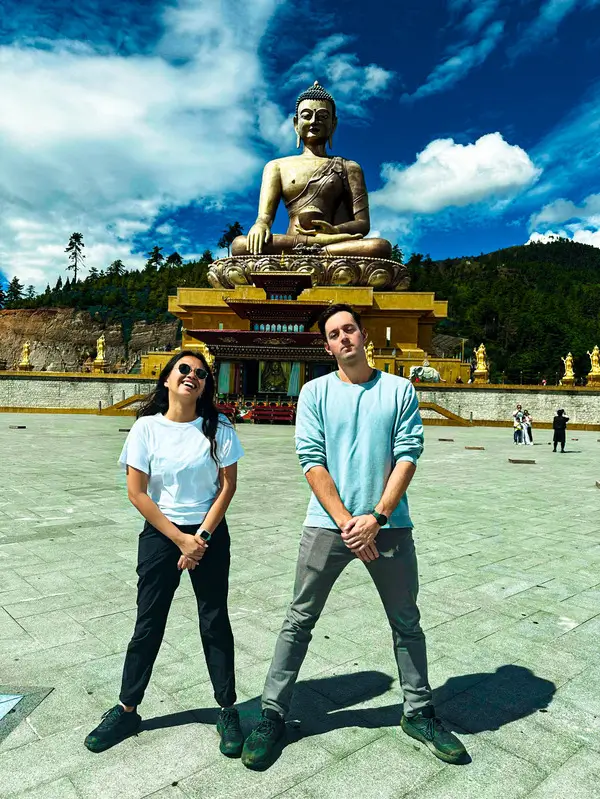
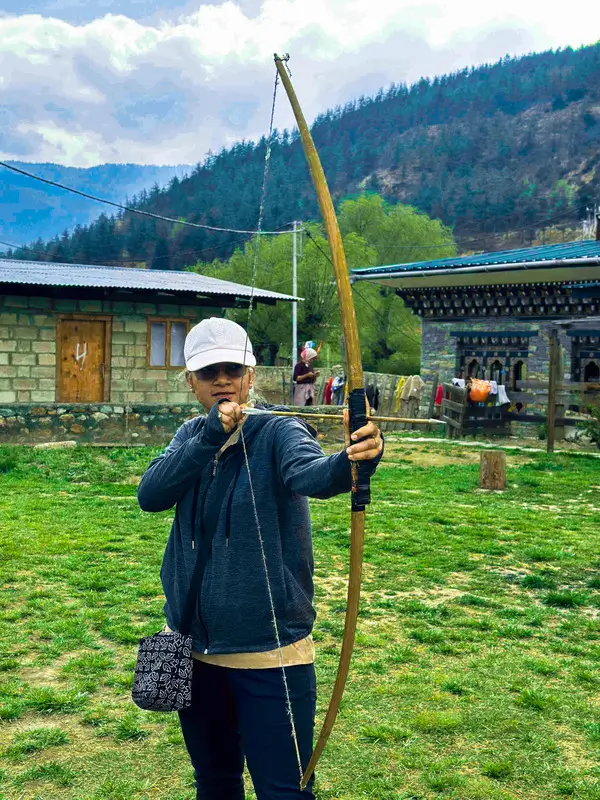
Explore the full collection of guest photos from across Bhutan.
View All Guest Photos
Customise Your
Bhutan Tour Today
Fill in the form and our expert team will get back to you within 24 hours.
More Bhutan Trekking
Dagala Trek
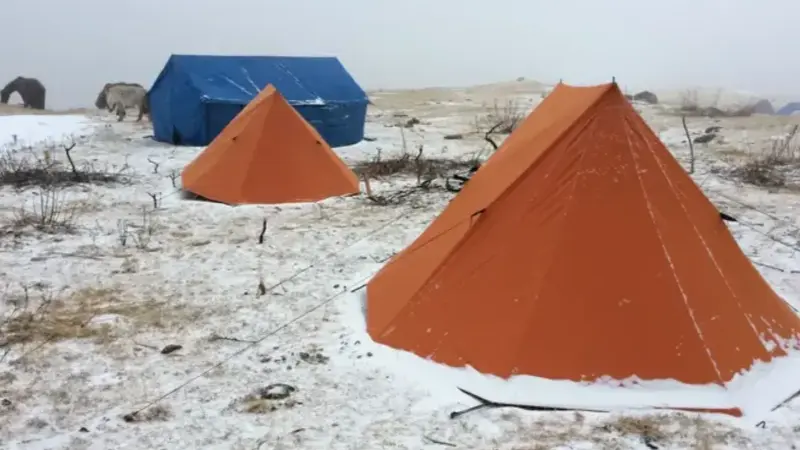
Discover Bhutan's highlands on the Dagala Trek, featuring panoramic views, serene lakes, and deep immersion in the kingdom's natural beauty.
Bumdra Trek
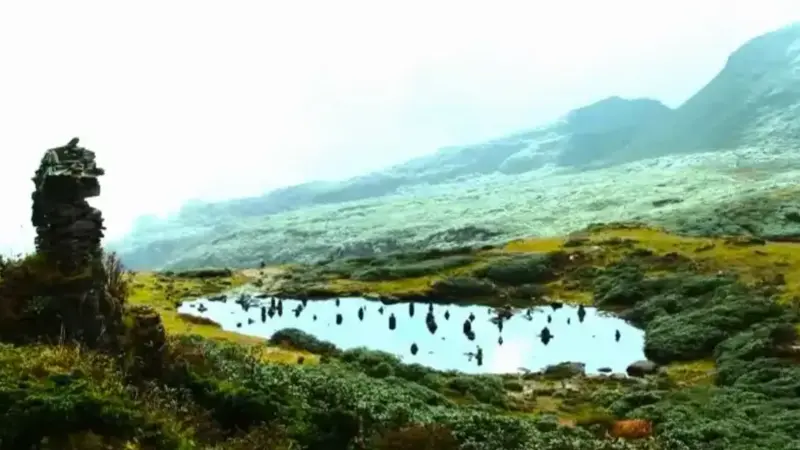
Embark on the Bumdra Trek to explore Bhutan's lush landscapes, pristine wilderness, and ancient monasteries, experiencing cultural and natural wonders.