Jomolhari
Trek
11 days to the base of Bhutan's most sacred peak — and back through the Himalayas
Bhutan's Most
Legendary Trek
The Jomolhari Trek is Bhutan's most celebrated and ambitious high-altitude trekking adventure. Named after Mt. Jomolhari — the 7,326 m sacred peak that stands on the border between Bhutan and Tibet and is revered as the abode of the protective deity Jomo — this 11-day journey is a full immersion in the remote, pristine wilderness of Jigme Dorji Wangchuck National Park, Bhutan's largest protected area.
The trek spans approximately 120 kilometres from Sharna Zampa bridge near Paro to Dolam Kencho near Thimphu, crossing two major high-altitude passes — Nyele-la at 4,700 m and Yeli-la at 4,820 m — and camping at Jangothang Basecamp (4,080 m), directly beneath the south face of Jomolhari itself. The itinerary includes a full acclimatisation day at basecamp, allowing trekkers to explore the nearby Tshophu twin lakes, engage with highland yak herder communities, and absorb the astonishing scale of the mountain above.
Beyond the high trekking days, the full 11-day programme includes cultural sightseeing in Paro on arrival — Rinpung Dzong, the National Museum, Kyichu Lhakhang — a hike to Tiger's Nest on Day 2, and a full excursion day in Thimphu before departure. This is not just a trek; it is a complete encounter with Bhutan.
Six Reasons the Jomolhari
Trek is Unmissable
Face-to-Face with Jomolhari
Camping at Jangothang Basecamp (4,080 m), directly beneath the towering south face of Mt. Jomolhari (7,326 m), is one of the most dramatic and awe-inspiring experiences available on any trek in the Himalayas. The mountain fills the entire northern horizon — close, enormous, and breathtaking at sunrise.
Jigme Dorji Wangchuck National Park
The entire trekking section passes through Bhutan's largest and most biodiverse national park. Rhododendron forests, oak, bamboo, alpine meadows, glacial rivers, and dramatic rocky cliffs define the landscape. Wildlife including snow leopard, blue sheep, takin, and Himalayan black bear inhabit the park — though sightings require both patience and luck.
Two High Himalayan Passes
The Nyele-la Pass at 4,700 m and the Yeli-la Pass at 4,820 m — the highest point of the entire trek — deliver panoramic views of Jomolhari, Jichu Drake, Tserimgang, and a sweeping arc of the Himalayan range. Crossing both passes is physically demanding and profoundly rewarding.
Lingzhi Dzong & Barshong Ruins
Few trekkers in the world walk past a functioning 17th-century dzong at altitude — the Jomolhari Trek does exactly that at Lingzhi, whose dzong commands a spectacular ridgeline position above the valley. On the descent, the ruins of the ancient Barshong Dzong at 3,600 m add a further layer of historical depth to the journey.
Highland Yak Herder Culture
The Jomolhari route passes through several remote highland villages — Soe, Takethang, and Dangochang — home to communities of yak herders with a way of life almost entirely unchanged for centuries. These encounters, often including an invitation to share butter tea, are among the most memorable human moments of the entire trek.
Paro, Tiger's Nest & Thimphu Included
The 11-day programme includes pre-trek sightseeing in Paro — Rinpung Dzong, the National Museum, Kyichu Lhakhang — a Tiger's Nest hike on Day 2 with a traditional hot stone bath, and a full cultural day in Thimphu before departure. This is a complete Bhutan experience built around the trek.
Trek Highlights
& Best Season
Spring (April–June): The optimal season. Rhododendrons bloom brilliantly through the lower forests, temperatures at the high passes are cold but manageable with good gear, and Jomolhari itself is typically visible in crystal clarity from the basecamp on most mornings. April–May is peak season.
Autumn (September–October): The second best season. Post-monsoon air clarity delivers outstanding views from both high passes. October is often considered the finest single month for the Jomolhari Trek — stable weather, no snow at the passes, and the landscape in its richest colours. Book well in advance for October departures.
Low Season (Nov–Mar & Jun–Aug): November can be attempted by experienced trekkers with proper gear — the high passes may have snow. December to March is very cold and the passes are often impassable. The monsoon (June–August) is technically possible but the high passes and river crossings become challenging and views are limited.
Day by Day
Itinerary
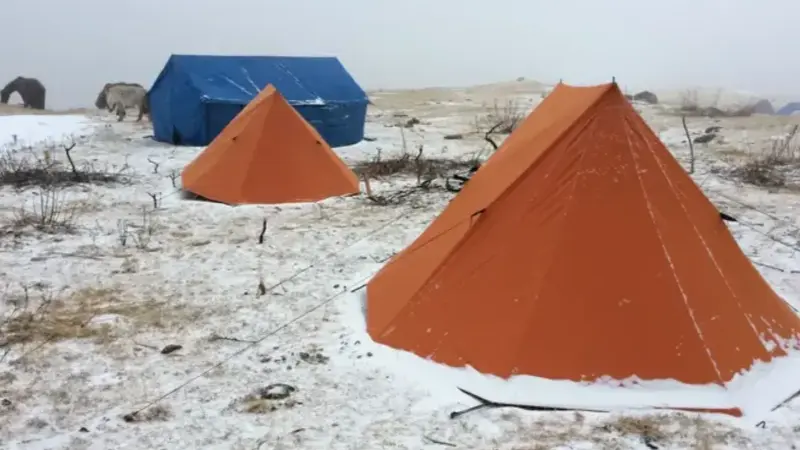
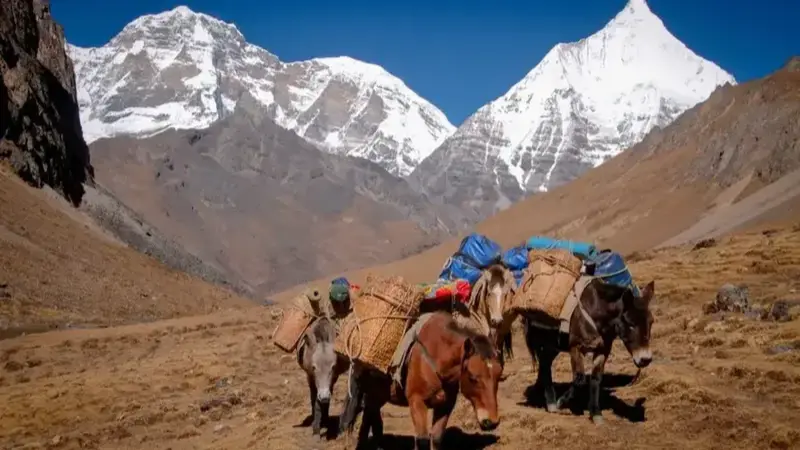
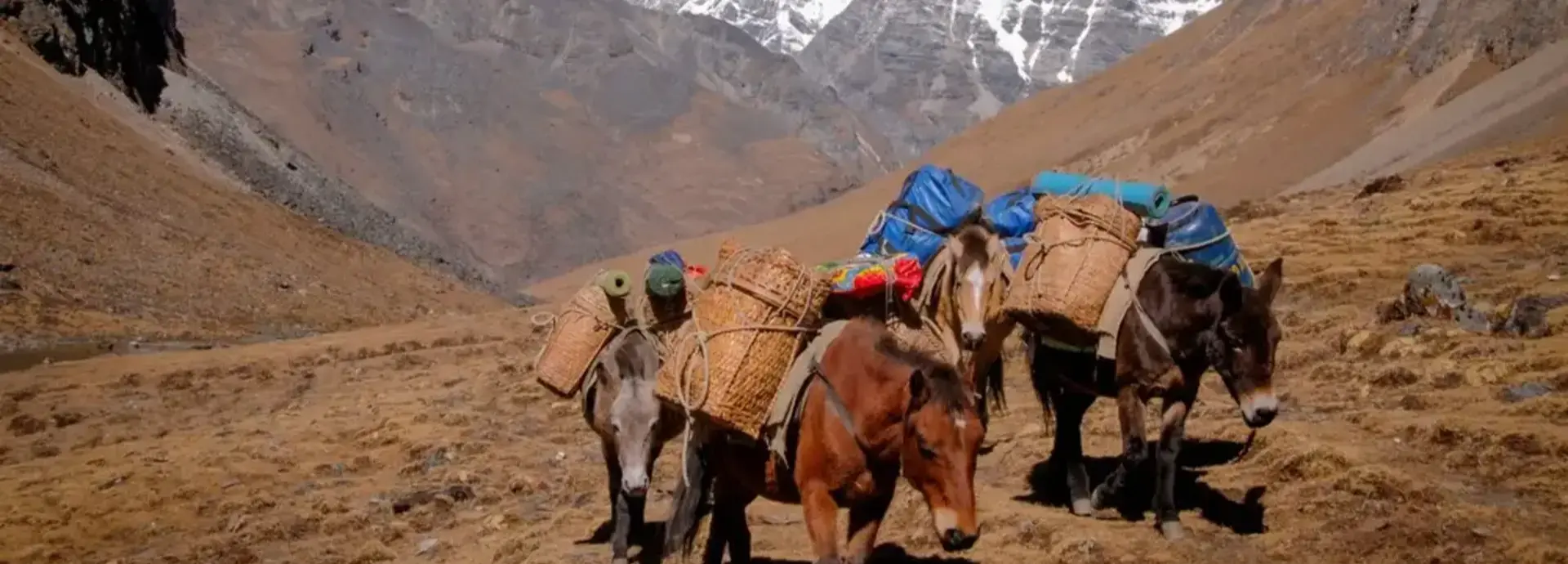
All meals on trek are freshly prepared by your camp cook — breakfast delivered to your tent, packed lunches on trail, and a hot dinner waiting at camp each evening. Pack horses carry all equipment. A licensed Bhutanese trekking guide and cultural guide accompany you throughout all 11 days. Days 1–2 and 10–11 are hotel-based; Days 3–9 are camping. Acclimatisation on Day 5 at Jangothang Basecamp is mandatory and included in the itinerary.
Arrive at Paro International Airport — one of the world's most dramatic landing approaches, descending between towering Himalayan peaks. Your guide meets you on arrival and transfers you to your hotel. Spend the afternoon exploring Paro: visit Rinpung Dzong (the Fortress of Heaped Jewels) overlooking the Paro Chhu river, browse the National Museum housed in the ancient Ta Dzong watchtower, and visit the sacred Kyichu Lhakhang — one of Bhutan's oldest temples, built in the 7th century. An optional afternoon hike to Zuri offers panoramic views of the Paro valley. Overnight in Paro.
Today is devoted to one of Bhutan's most iconic experiences — a hike to Tiger's Nest Monastery (Taktsang Lhakhang), clinging to a sheer cliff face at 3,120 m above the Paro valley. The 3-hour uphill trail through pine forest passes a famous waterfall viewpoint before reaching the monastery complex — a series of temples built around the sacred cave where Guru Rinpoche meditated for three months in the 8th century. After a full temple visit, descend to the valley base. The afternoon is yours to enjoy a traditional Bhutanese hot stone bath (Dotsho) — one of the most deeply relaxing experiences Bhutan offers — and practice traditional archery. Overnight in Paro.
Drive approximately one hour from Paro to Sharna Zampa bridge — the gateway to the Jomolhari Trek and the start of Jigme Dorji Wangchuck National Park. The trail follows the Paro Chhu (Paro River) northward through a magnificent and diverse forest of rhododendron, oak, bamboo, and ferns. The landscape is lush, the river constant company, and the scale of the valley increasingly dramatic as you move deeper into the national park. Camp is set at a beautiful alpine meadow at Soe Thangthangkha (3,610 m). On clear evenings, the first views of Mt. Jomolhari begin to appear above the northern ridge.
The finest day of the entire trek — and one of the most memorable in all of Bhutan. The trail climbs steadily through alpine meadows and stunted vegetation, the forest thinning as altitude increases. You pass a Bhutanese army outpost and the highland villages of Soe, Takethang, and Dangochang — communities of yak herders who have lived at this altitude for generations. Their warmth is remarkable and their butter tea is genuinely warming. The final approach to Jangothang Basecamp reveals Mt. Jomolhari (7,326 m) in its full, overwhelming glory — the mountain rising almost vertically from the flat camp meadow to the Tibetan plateau above. Camp at 4,080 m beneath the abode of Jomo.
A mandatory and deeply valuable day of rest at Jangothang Basecamp, allowing your body to adjust to 4,080 m before the high passes ahead. The day is far from idle. In the morning, hike up to the beautiful Tshophu twin lakes — a pair of glacial alpine lakes at approximately 4,200 m with extraordinary views of Jomolhari reflected in the still water. The afternoon is spent exploring the local highland community and engaging with the Brokpa yak herder families who live near the basecamp year-round. Watch how they manage their yak herds, visit their homes if invited, and learn about the extraordinary life of high-altitude pastoralism in Bhutan.
After the rest day, the trek resumes with its most demanding high pass crossing. The trail follows a stream before crossing to the right bank, offering breathtaking views of Jomolhari, Jichu Drake, and Tserimgang as you gain altitude. The route ascends the Nyele-la Pass at 4,700 m — an exposed and spectacular ridgeline with panoramic views of the Himalayan chain in all directions. The descent from the pass leads gradually toward the Lingzhi valley and camp at 4,010 m. Lingzhi Dzong — a remarkable 17th-century fortress built on a commanding ridgeline above the valley — is visible for the final hour of descent and provides a powerful landmark for the day's end.
The longest and most demanding day of the entire trek — and the highest. The trail climbs to the Yeli-la Pass at 4,820 m, the maximum elevation of the Jomolhari Trek, from where sweeping views of the surrounding mountains and Himalayan ranges extend in every direction on clear days. Prayer flags mark the pass. After the crossing, the trail descends steeply alongside a glacial stream, passing a dramatic rock shelter built into the cliff face — a natural cave used by herders for generations. Continue downstream until reaching the campsite at Shodu (4,080 m), set near a chorten (stupa) in an open mountain meadow.
The tone of the trek shifts today — you have crossed both high passes and the trail now descends steadily toward Thimphu. Follow the Thimphu Chhu (Thimphu River) as it winds through a magnificent descent of vibrant rhododendron, juniper, and mixed alpine forest, with stunning views of rocky cliffs and waterfalls at every turn. The route gradually ascends toward the end of the day to the ruins of Barshong Dzong at 3,600 m — an ancient fortress that once guarded this valley corridor — and camp nearby at 3,710 m. The end of the trek is now in sight, but the forest and scenery of this penultimate trekking day are among the most beautiful of the entire route.
The final trekking day winds through dense rhododendron, birch, and conifer forests, eventually meeting the Thimphu Chhu at a lower elevation. A final ascent follows a cliff path through pastureland with mixed conifer and broadleaf vegetation, before the trail concludes at Dolam Kencho where your driver and vehicle await. A 1.5-hour drive delivers you to your hotel in Thimphu — warm shower, comfortable bed, and the quiet satisfaction of having completed one of the great treks of the Himalayas.
A well-earned day of cultural exploration in Bhutan's capital. Begin with the Buddha Dordenma Statue — a 51-metre gilded bronze Buddha on a hilltop overlooking Thimphu, one of the largest Buddha statues in the world. Visit the Motithang Takin Preserve, home to Bhutan's extraordinary national animal — the takin, a creature so unusual that Bhutanese legend says it was created by the Divine Madman. Explore the vibrant streets of Thimphu, browse the weekend market for textiles and local produce, and visit the National Memorial Chorten. In the evening, enjoy a farewell dinner reflecting on an exceptional 11 days in Bhutan.
Enjoy a leisurely final breakfast before checking out of your Thimphu hotel. Depending on your flight schedule, there may be time for a final walk through Thimphu's streets, last-minute shopping for Bhutanese textiles and handicrafts, or a quiet visit to a local café. Your driver then transfers you to Paro International Airport — a journey of approximately 1.5 hours along the scenic Wang Chhu valley. Board your flight carrying vivid memories of 11 extraordinary days: the south face of Jomolhari at dawn, prayer flags on the Yeli-la, the call of the Thimphu Chhu, and the warmth of every person you met along the way.
Our itineraries are always customisable — the trek can be shortened to a Jomolhari basecamp-and-return route, or extended with additional cultural days. Contact us to design the perfect programme for your group.
Inclusions &
Exclusions
Included
- ✓Bhutan Sustainable Development Fee (SDF)
- ✓Licensed expert Bhutanese trekking & cultural guide
- ✓Certified camp cook & kitchen assistant
- ✓All meals — hotel (B&B) and all trek meals
- ✓Hotel accommodation in Paro (2 nights) & Thimphu (2 nights)
- ✓High-quality camping tents & foam mattresses
- ✓Sleeping bags & blankets
- ✓Dining tent, toilet tent & cooking equipment
- ✓Pack horses & horsemen (full portage)
- ✓Filtered & boiled drinking water on trek
- ✓Hot washing water morning & evening at camp
- ✓Communal first aid kit & oxygen canisters
- ✓All internal transportation (private vehicle)
- ✓Bhutan visa processing assistance
- ✓Dzong, temple & national park entry fees
- ✓Tiger's Nest entry & guide fees
Not Included
- ✕ International airfare to/from Paro
- ✕ Travel & trekking insurance
- ✕ Personal trekking gear & clothing
- ✕ Alcoholic and soft beverages
- ✕ Hot stone bath (Dotsho) — available at extra cost
- ✕ Personal expenses & gratuities
- ✕ Any services not listed above
Tour
Cost
| Group Size | Price Per Person (USD) | Notes |
|---|---|---|
| Solo Traveller (1 pax) | Contact for quote | Fully private experience |
| 2 Travellers | Contact for quote | Shared support crew |
| 3–4 Travellers | Contact for quote | Best value small group |
| 5+ Travellers | Contact for quote | Group discount applicable |
All prices include Bhutan's Sustainable Development Fee (SDF). Rates vary by season, group size, and accommodation grade. Contact us for a personalised quote — every package is tailored to your group, dates, and preferences.
Payment &
Cancellation Policy
We believe in transparent, fair terms. Please review our complete Payment Terms and Tour Cancellation Policy before confirming your booking.
Read Full PolicyEssential Tips for the Jomolhari Trek
The Jomolhari Trek is a challenging multi-day high-altitude route. Begin cardio and leg-strength training at least 8–12 weeks before departure. Practice hiking with a loaded day pack on hilly terrain. You don't need to be an elite athlete, but solid base fitness makes the experience far more enjoyable.
The trek reaches 4,890m at the Nyele La pass. Spend at least one full day acclimatising in Paro (2,280m) before starting, and do not rush the ascent. Drink 3–4 litres of water daily. If you experience severe headaches, nausea, or confusion, descend immediately. Consult your doctor about acetazolamide (Diamox) before travelling.
Essentials include: layering system (thermal base, fleece mid-layer, waterproof shell), warm hat and gloves, trekking poles (essential on the steep descents), broken-in waterproof boots, a warm sleeping bag rated to at least -10°C, sunscreen SPF 50+, lip balm, and a quality headlamp with spare batteries.
Spring (April–June) and autumn (September–November) are the two prime windows. Autumn offers the clearest skies and most stable weather — ideal for photography. Spring brings rhododendrons in bloom on the lower slopes and slightly warmer temperatures. The trek is closed in monsoon (July–August) and the high passes are often snowbound in winter.
All trekking in Bhutan requires a licensed tour operator — independent trekking is not permitted. Your operator (Found Bhutan) handles the Bhutan Tourism Visa, Sustainable Development Fee, trekking permit, and Jigme Dorji National Park entry permit. Allow at least 2–3 weeks lead time for visa processing before your travel date.
Mobile coverage disappears after the first day of trekking. Download offline maps (Maps.me or Gaia GPS) before departure. Your Found Bhutan guide carries a first aid kit and has emergency evacuation protocols. Comprehensive travel insurance that covers high-altitude trekking and emergency helicopter evacuation is essential — do not trek without it.
Real Photos from
Our Guests
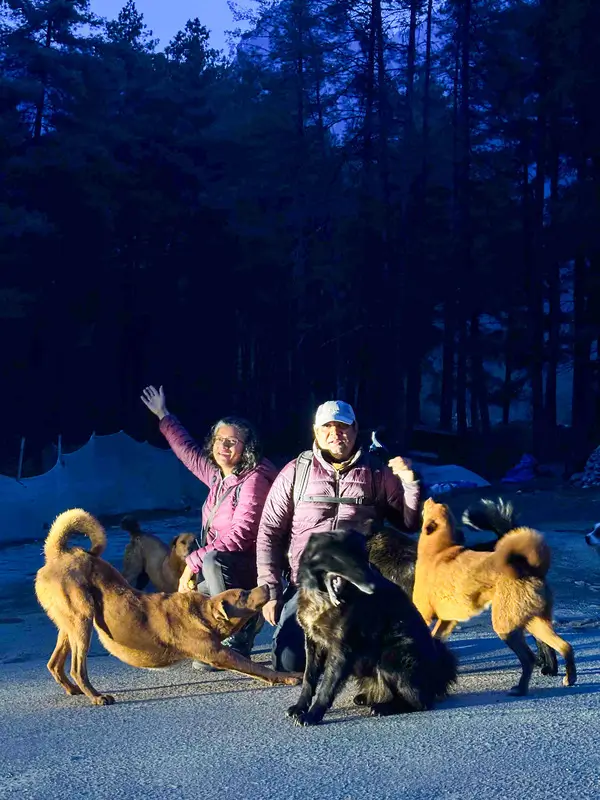
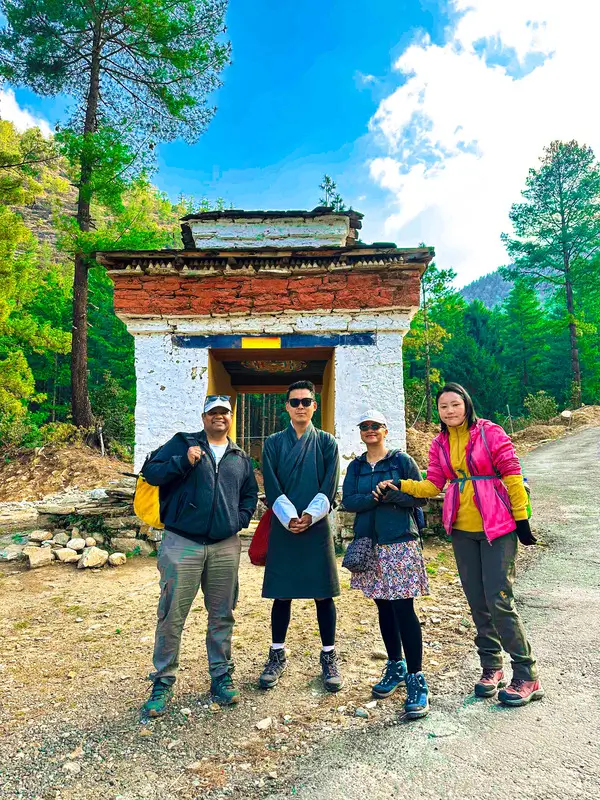
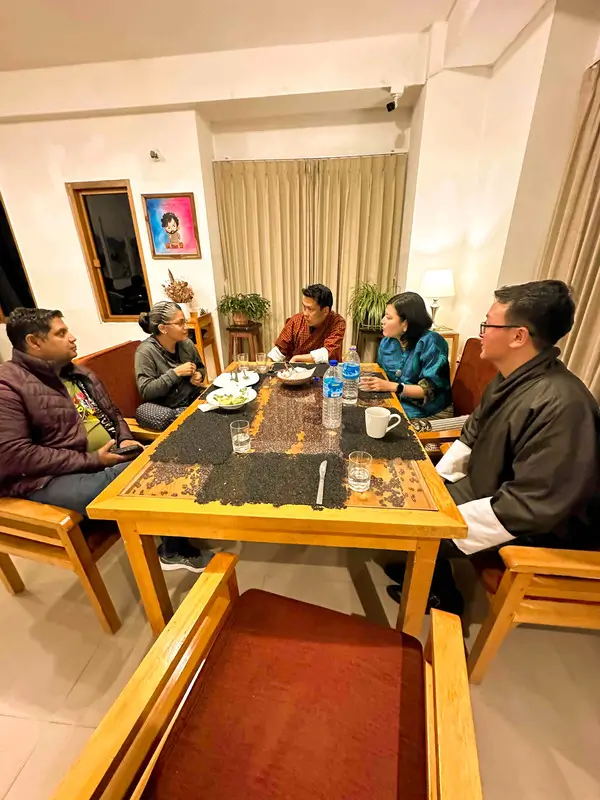
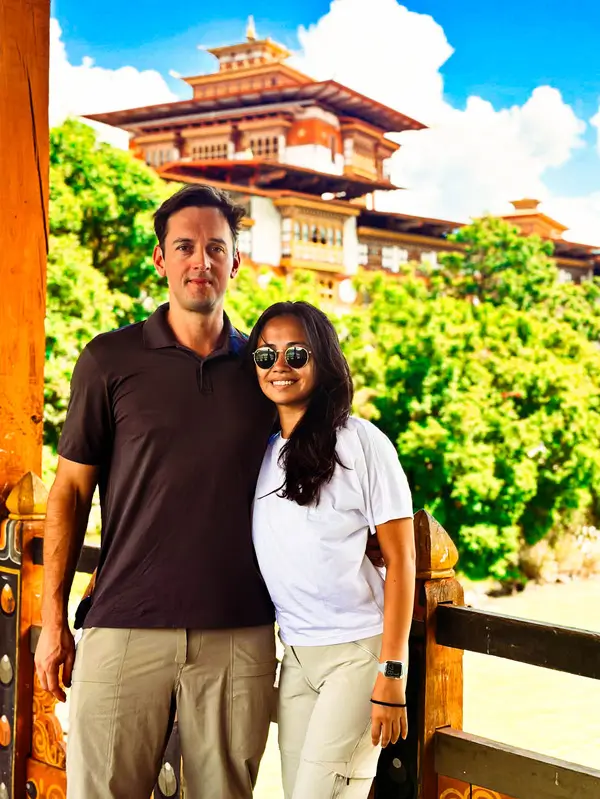
These are real, unedited moments captured by travellers who explored Bhutan with Found Bhutan. Every photo tells a story — and your story is next.
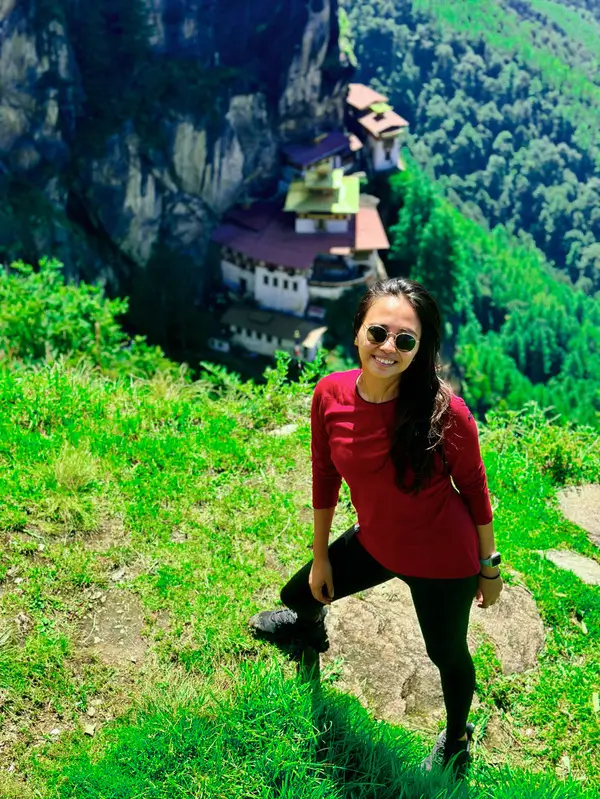
Explore the full collection of guest photos from across Bhutan.
View All Guest Photos
Customise Your
Bhutan Tour Today
Fill in the form and our expert team will get back to you within 24 hours.
More Bhutan Trekking
Druk Path Trek

Embark on The Druk Path Trek in Bhutan, exploring breathtaking landscapes, high passes, and sacred sites for a unique adventure.
Bumdra Trek
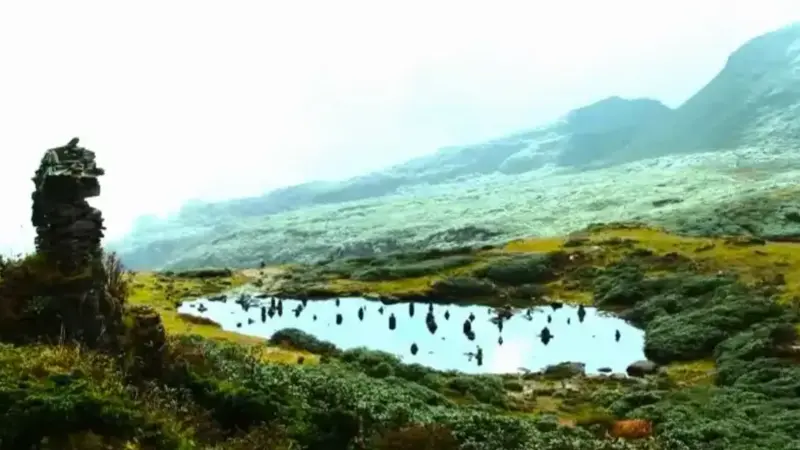
Embark on the Bumdra Trek to explore Bhutan's lush landscapes, pristine wilderness, and ancient monasteries, experiencing cultural and natural wonders.