Merak Sakteng
Trek Guide
About the Trek
Bhutan's Most Culturally Distinctive Trek
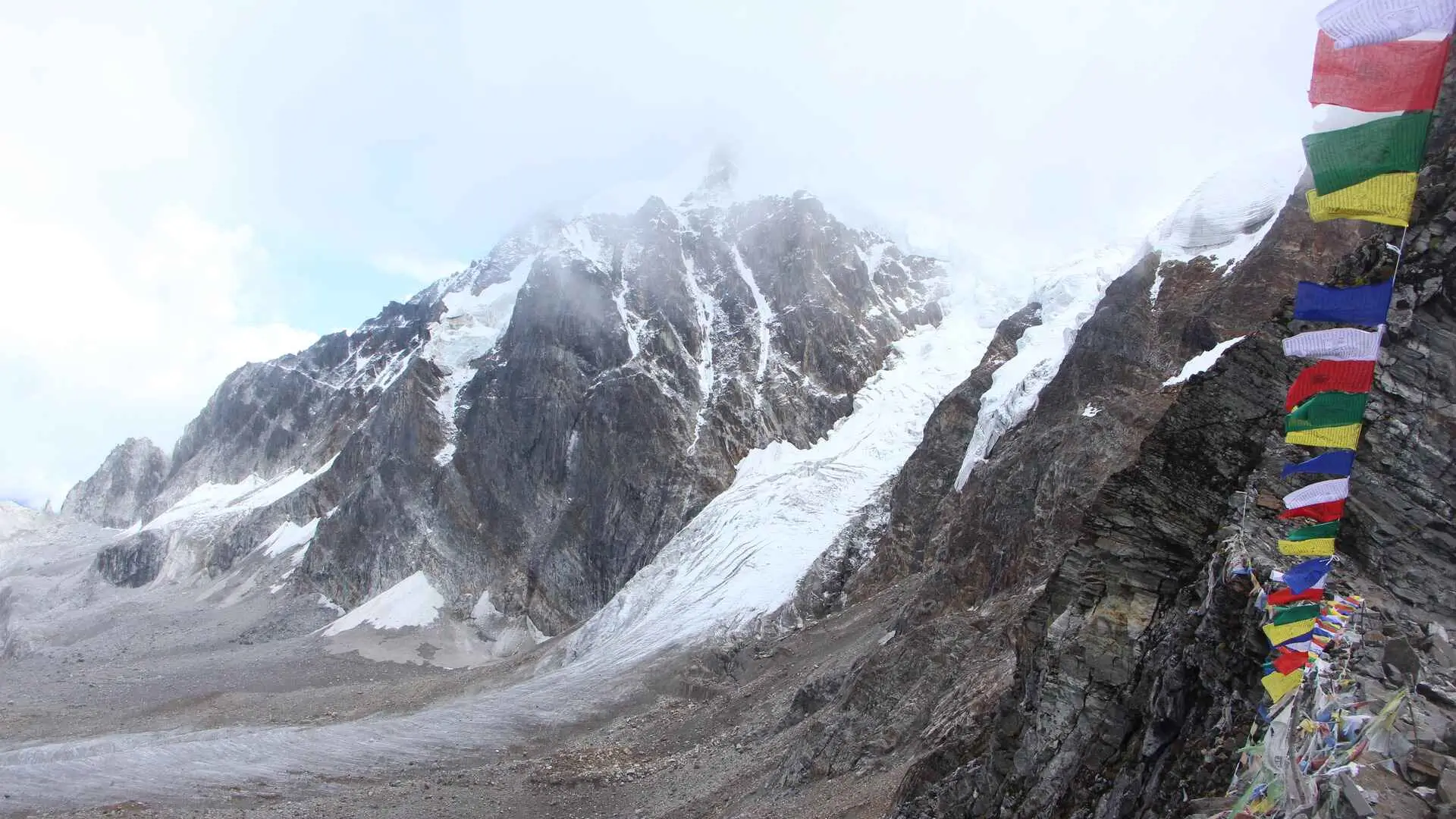
The Merak Sakteng Trek is unlike anything else in Bhutan. It's not about mountain drama or record-breaking altitude — it's a walk through the Sakteng Wildlife Sanctuary in the far east of the country, home to the semi-nomadic Brokpa people. Only opened to trekkers in 2012, this remains one of the least-visited trekking regions in Bhutan.
The Brokpa speak their own dialect, follow their own deities distinct from the rest of Bhutan, and are instantly recognisable by their yak-hair headgear — a rounded cap with five pointed tentacles designed to channel away rain. Combined with genuinely gentle trekking terrain, this makes Merak Sakteng one of the most accessible multi-day cultural treks in the country, if not the easiest to reach.
Distance
~65–75 km
Max Altitude
4,153m (Nachungla)
Duration
5–7 Days
On the Trail
What You'll See Along the Way
01
The Brokpa People
Semi-nomadic yak herders with their own dialect, deities, and dress — most recognisably, the pointed yak-hair hats worn to shed rain. Days are spent walking through their villages and grazing land.
02
Sakteng Wildlife Sanctuary
Home to snow leopard, red panda, and Himalayan black bear — and notably, one of the only protected areas in the world partly established to safeguard local folklore around the migoi (yeti).
03
Nachungla Pass
At roughly 4,153m, this is the trek's highest and toughest crossing, with 360-degree views toward Bhutan's interior, Arunachal Pradesh, and Tibet on a clear day.
04
Merak & Sakteng Villages
The trek's namesake twin villages sit above 3,000m, largely unchanged by the outside world — most itineraries include a full day in Sakteng to properly explore rather than pass through.
05
Rhododendron & Juniper Forest
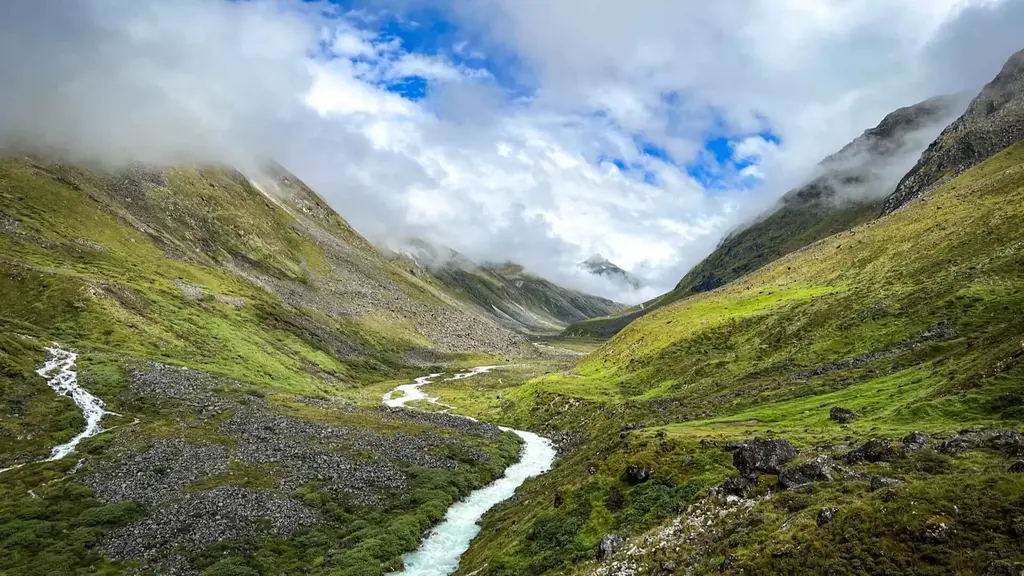
The route between passes winds through dense rhododendron and juniper forest — spectacular when in bloom during the spring trekking window.
06
One of Bhutan's Newest Routes
Opened to trekkers only in 2012, Merak Sakteng sees a fraction of the traffic that routes near Paro and Thimphu do — a genuinely quiet, uncrowded trekking experience.
Day by Day
Sample Itinerary
This covers the core 5–7 day trek from Chaling to Phongmey. Exact overnight stops vary by operator — treat this as a representative outline, not a fixed schedule.
Drive to Chaling via Rangjung and Radhi village, then trek up through open grazing pasture to Mendula Pass before descending through rhododendron forest to camp.
A gentle day following the river bends toward Gangu village, then a final climb to Merak — your first proper encounter with a Brokpa village.
The trek's highest and hardest day, climbing through juniper and rhododendron forest to Nachungla Pass — 360-degree views toward Bhutan, Arunachal Pradesh, and Tibet on a clear day — before descending to camp.
A short, easy day descending to the river, crossing it, then a gentle climb past a small hillside chorten overlooking the Sakteng valley — watch for red pandas in the trees.
A full day to properly explore Sakteng village and meet the Brokpa community, rather than just passing through.
An easier day compared to earlier in the trek, mostly downhill, camping beside the river at Joenkhar Teng.
A short final climb and descent crossing suspension bridges to reach the road head at Phongmey, marking the end of the trek. From here, drive to Trashigang.
Difficulty & Fitness
Is the Merak Sakteng Trek Right for You?
This is one of the gentler multi-day treks in Bhutan, rated easy to moderate. Daily walking runs 4 to 7 hours, mostly gradual ascents and descents rather than sustained steep climbing — with one notable exception: the crossing of Nachungla Pass, widely described as the toughest single day on the route.
Altitude tops out at 4,153m, meaningfully lower than treks like Jomolhari or Laya Gasa. Prior high-altitude experience isn't compulsory here, though reasonable fitness and a sensible pace on the Nachungla day are still worthwhile. The bigger practical challenge for most travellers isn't the trek itself — it's simply reaching the trailhead, given how far eastern Bhutan sits from Paro and Thimphu.
No technical climbing or scrambling is required at any point on this route.
Best Time to Trek
A Slightly Wider Window Than Western Bhutan
Spring
Mar – Jun
Autumn
Sep – Nov
Avoid
Jul–Aug & Dec–Feb
Eastern Bhutan's climate runs slightly milder than the high passes of the west, giving this trek a broader viable season — spring through early summer, then autumn. Summer monsoon still brings heavy rain and leeches to the lower forest sections, and winter can be bitterly cold at the higher camps and Nachungla Pass.
Permits & What Bhutan Requires
This region has its own specific access requirements, on top of the standard rules for trekking in Bhutan.
Licensed Guide, Always
Independent trekking isn't permitted anywhere in Bhutan. A licensed guide accompanies you for the entire route, arranged in advance.
Sakteng Wildlife Sanctuary Permit
The trek runs entirely within a protected wildlife sanctuary, requiring its own entry permit — arranged by your operator alongside your standard trekking permit.
Recently Opened Region
This area only opened to tourism in 2012. Your operator will confirm current access rules, since regulations for newer trekking regions can be updated more frequently than long-established routes.
Sustainable Development Fee
The standard SDF applies per night, the same as anywhere else in Bhutan, on top of your regular tourist visa.
Getting to the Trailhead
Reaching Chaling means travelling to Trashigang first — either a multi-day drive from Paro or Thimphu, or via the Samdrup Jongkhar border with India. Factor this into your overall trip length.
Respectful Conduct in Brokpa Villages
Merak and Sakteng are living communities, not tourist attractions. Dress modestly and ask before photographing residents — your guide will brief you on local customs.
Preparation
What to Pack
Given the moderate altitude and generally gentler terrain, packing needs are less extreme than for treks like Jomolhari or Snowman — but nights at the higher camps and Nachungla Pass still get cold. A mid-range sleeping bag, warm layers, and a decent waterproof shell cover most conditions. Rhododendron and juniper forest sections can be damp underfoot, so waterproof boots are worth prioritising over lightweight hiking shoes.
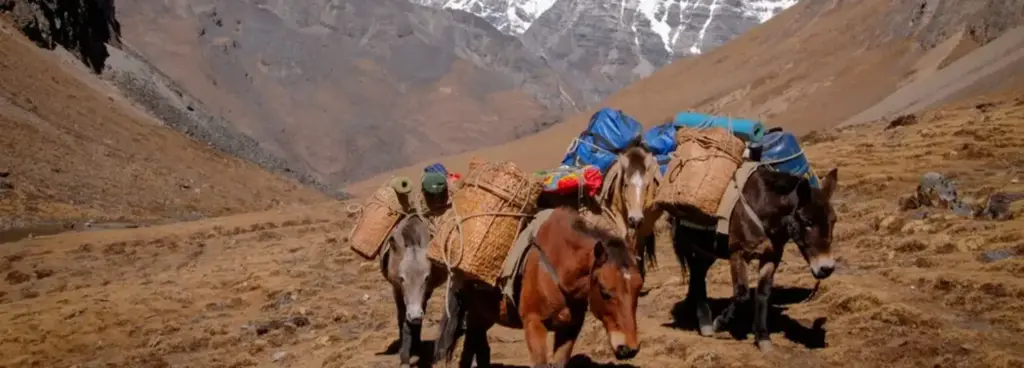
Given how few trekkers visit this region, don't expect any facilities along the route — your guide and crew carry everything. A camera is worth the extra weight: the Brokpa dress and highland scenery here are unlike anything else photographed in Bhutan.
Ready to Go
Plan Your Merak Sakteng Trek
This trek isn't a fixed package on our site yet, but we build custom itineraries for exactly this kind of route — including the extra travel logistics of reaching eastern Bhutan. Get in touch and we'll put together a day-by-day plan and quote tailored to your dates and interests.
Request a Custom ItineraryCommon Questions
Merak Sakteng Trek FAQ
How hard is the Merak Sakteng Trek?
Rated easy to moderate — one of the more accessible multi-day treks in Bhutan. Most days involve 4–7 hours of walking on gradual trail, with one notably tougher day crossing Nachungla Pass at around 4,153m.
How long is the Merak Sakteng Trek?
The core trek takes 5 to 7 days. Because eastern Bhutan sits far from Paro and Thimphu, most complete itineraries run 10 to 14 days once travel and cultural touring are included.
What permits are required for the Merak Sakteng Trek?
A trekking permit, a Sakteng Wildlife Sanctuary entry permit, and a licensed Bhutanese guide for the full route. Found Bhutan arranges all of this as part of your booking.
When is the best time for the Merak Sakteng Trek?
March to June, or September to November — a slightly wider window than western Bhutan treks, thanks to the region's milder climate.
Customise Your
Bhutan Tour Today
Fill in the form and our expert team will get back to you within 24 hours.