There's another part of Bhutanese culture that deserves a place on every travel itinerary—and no, it's not just ema datshi.
It's our traditional alcohol.
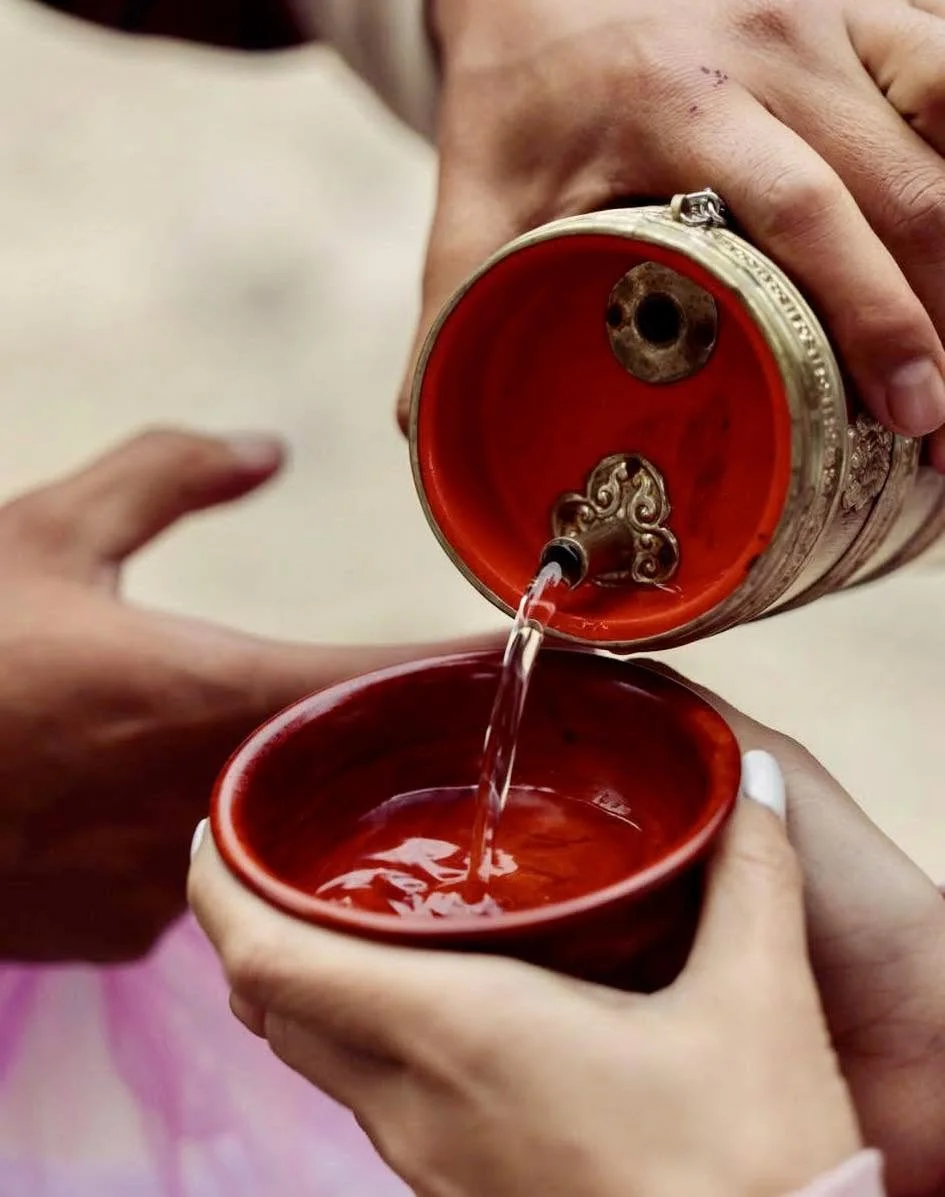
Traditional Bhutanese alcoholic drinks include ara, a locally distilled spirit commonly made from grains such as rice, maize, wheat or barley, and bangchang, a fermented grain-based drink. These beverages have long been associated with Bhutanese hospitality, social gatherings, celebrations and local traditions.
In Bhutan, alcohol is much more than something poured into a cup. It's a welcome, a celebration, a blessing, and sometimes the beginning of stories that become family legends.
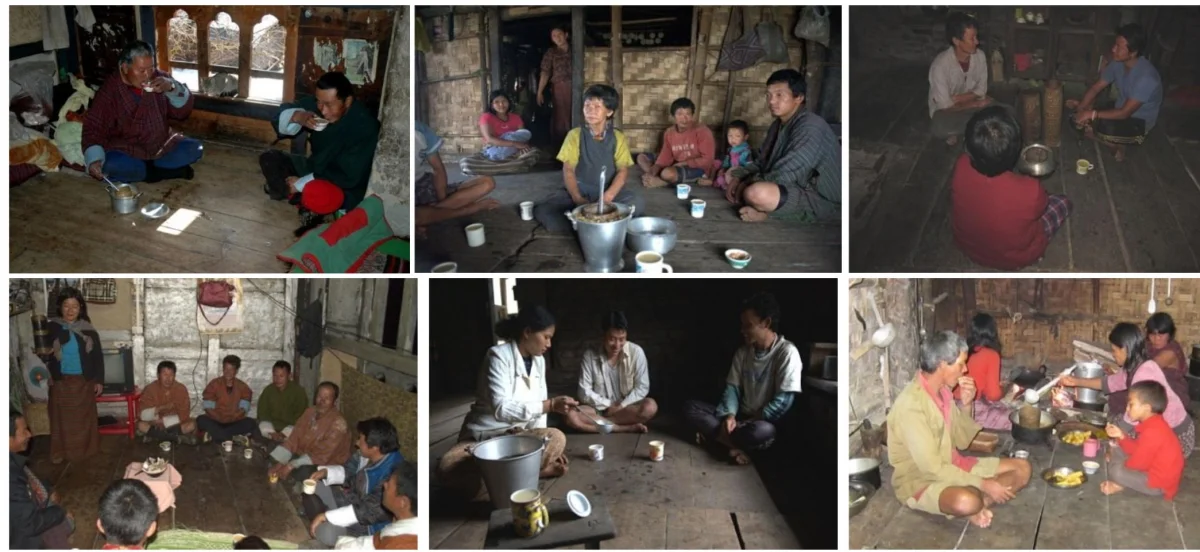
In many Bhutanese homes, you'll be offered a drink before you've even figured out where to leave your shoes. Whether it's Ara, Bangchang, or another local brew, saying, "Just a little, please," is often interpreted as, "Please keep refilling my cup until my ancestors tell me to stop."
And perhaps the greatest truth of all?
Ask ten Bhutanese where the best traditional alcohol comes from, and you'll probably get eleven different answers.
Why Traditional Alcohol Matters in Bhutan
Traditional alcohol has been part of Bhutanese life for centuries. Long before cafés and coffee machines appeared, people gathered around warm cups of homemade brews to celebrate milestones, welcome guests, and strengthen community bonds.
Today, these drinks remain central to many occasions, including:
• Weddings
• Religious ceremonies
• Housewarming celebrations
• Harvest festivals
• Losar (Bhutanese New Year)
• Community gatherings
• Village festivals (Tshechus)
• Family reunions
Offering a drink isn't about encouraging someone to drink excessively. It's about saying, "You're welcome here."
If you've attended a Bhutanese wedding, village festival, or family gathering, you've probably met that cheerful uncle who proudly announces, "My homemade Ara is very light."
Proceed with caution.
It almost never is.
Ara – Bhutan's Beloved Traditional Spirit
If Bhutanese drinks had personalities, Ara would be the confident older cousin who somehow becomes the centre of attention at every gathering.
Ara is Bhutan's best-known traditional spirit, usually made from rice, wheat, maize, millet, or barley. Depending on where you travel, it may be distilled into a clear spirit or enjoyed as a milder fermented drink.
The beauty of Ara is that no two families make it exactly the same.
One grandmother will confidently tell you her recipe has been perfected over generations.
The neighbor will politely disagree.
The debate has probably been going on for decades—and honestly, nobody wants it to end.
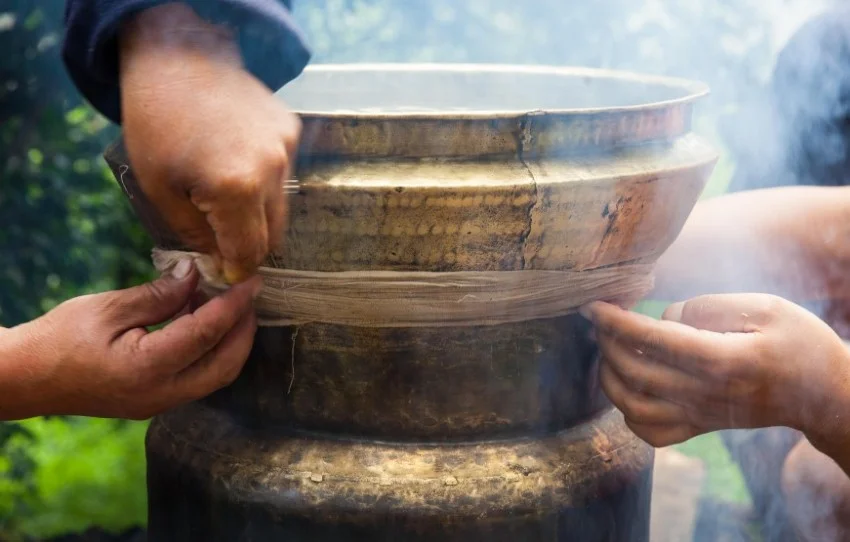
Some Ara is wonderfully smooth.
Others introduce themselves with such enthusiasm that your eyebrows rise before you take the second sip.
During Bhutan's cold winters, many families serve warm Ara mixed with butter, eggs, or local cheese. It may sound unusual to visitors, but after a chilly morning in the mountains, it suddenly makes perfect sense.
Cultural Significance
Ara is traditionally served:
• To honored guests
• During weddings
• At annual family rituals
• During village festivals
• During religious celebrations
• Before important family events
There's also an unwritten Bhutanese rule:
If your cup becomes empty...
Someone will notice.
Usually before you do.
Bangchang – The Pride of Eastern Bhutan
Travel east—to districts like Mongar, Trashigang, Lhuentse, or Trashiyangtse—and you'll quickly discover another local favorite: Bangchang.
Unlike distilled Ara, Bangchang is a naturally fermented drink made from grains such as millet, maize, rice, or wheat.
It's lighter, gentler, and meant to be enjoyed slowly.
What makes Bangchang special isn't just the drink itself—it's the way it's shared.
Families often gather around one container, adding warm water little by little throughout the evening. As conversations continue, the flavour gradually changes, becoming lighter with each refill.
It's less about finishing the drink and more about enjoying the company.
Eastern Bhutanese are also wonderfully proud of their Bangchang.
Mention that another region makes something better, and don't be surprised if you receive a detailed history lesson... served alongside another generous refill.
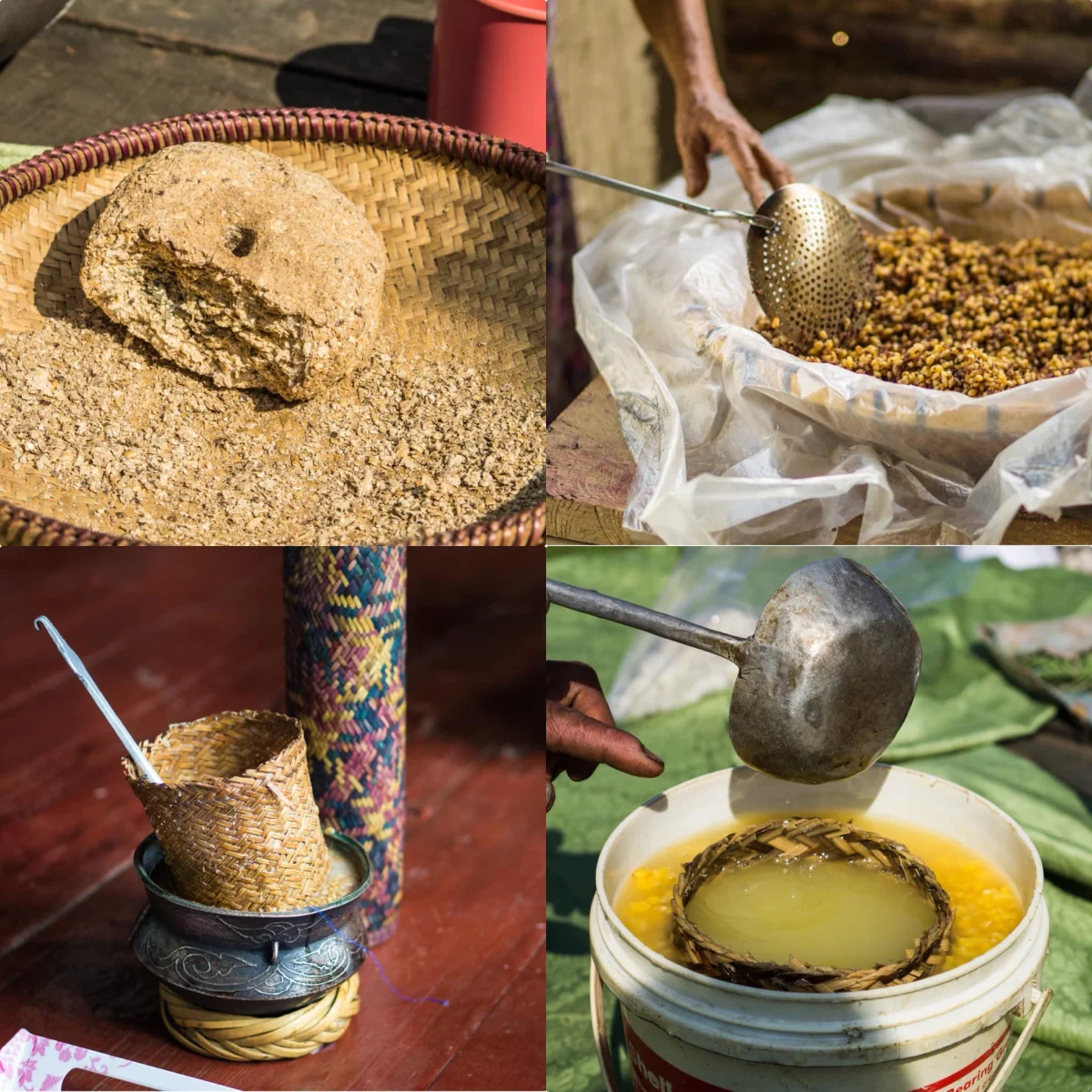
Singchang – The Farmer's Companion
Long before energy drinks promised to keep people going, Bhutanese farmers had Singchang.
Made from grains such as millet, barley, wheat, or rice, Singchang has long been enjoyed during planting seasons, harvest celebrations, and community work.
After spending hours in the fields, neighbours would gather together, share stories, laugh about the day's work, and enjoy a well-earned drink.
You could call it Bhutan's original happy hour—except nobody had to rush home because everyone lived nearby.
Rice Ara of Punakha and Wangdue
Punakha and Wangdue Phodrang are blessed with fertile valleys that produce some of Bhutan's finest rice.
Naturally, that rice also finds its way into some exceptionally smooth Ara.
Locals often describe their rice-based Ara as:
• Light
• Aromatic
• Slightly sweet
• Easy to enjoy
Of course, if you ask the locals why it's so good, they'll smile and simply say,
"It's the rice."
And honestly... they may have a point.
Buckwheat Traditions of Bumthang
Bumthang is often called the spiritual heartland of Bhutan with ancient temples, sacred valleys, and centuries-old traditions give the district a unique atmosphere.
It’s cool climate also makes it ideal for growing buckwheat, which some communities use to create distinctive fermented beverages with rich, earthy flavors.
The best part?
A simple visit for tea can unexpectedly turn into an afternoon of tasting homemade drinks while someone's grandparents tell you stories about life in the old days.
In Bhutan, that counts as excellent hospitality.
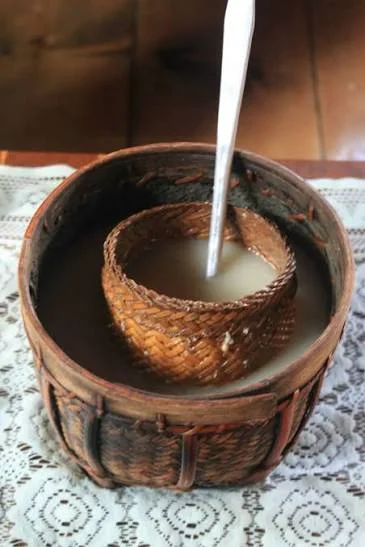
Maize Brews of Southern and Eastern Bhutan
Travel south, where the climate becomes warmer and maize grows abundantly, and you'll discover another side of Bhutan's brewing traditions.
Many communities prepare traditional drinks using locally grown corn, resulting in beverages with richer grain flavors and a fuller body than many rice-based brews.
It's another reminder that Bhutan's traditional alcohol reflects the landscape itself.
Different climate.
Different crops.
Different stories.
Same warm welcome.
Tongba – The Drink That Keeps on Giving
If you've never tried Tongba, don't be surprised if your first reaction is, "Wait... am I supposed to drink this?"
Popular in parts of southern Bhutan, especially among communities with close cultural ties to the Himalayan region,
Tongba is made from fermented millet and served in a tall wooden or bamboo container. Instead of pouring it into a glass, hot water is added directly to the fermented millet, and the drink is enjoyed through a bamboo or metal straw with a small filter that keeps the grains out.
The best part? One serving doesn't end after a few sips.
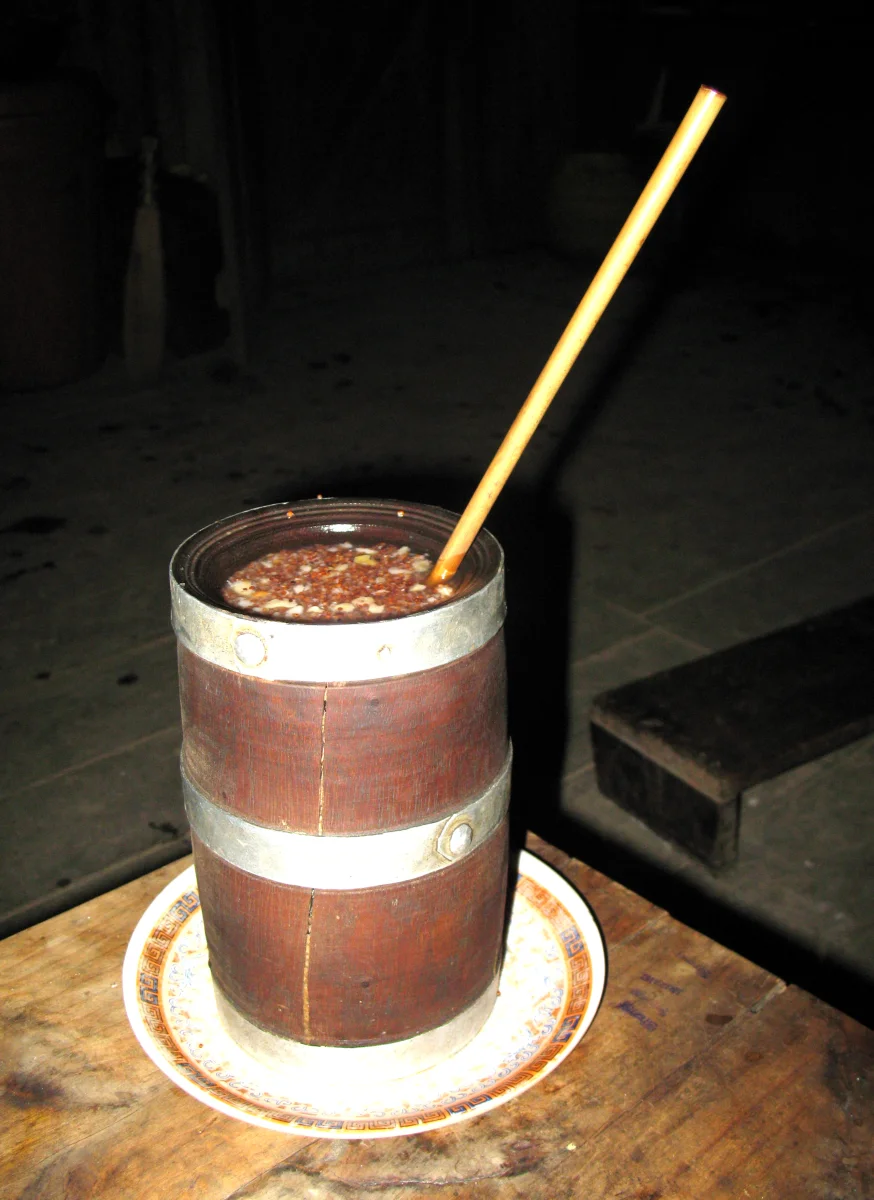
As long as there's flavour left in the millet, your host will simply top it up with more hot water. It's the drink that politely refuses to say goodbye. Tongba is more than just a warm beverage—it's an invitation to slow down. It's often shared during chilly evenings, family gatherings, and friendly conversations where time seems to move a little more slowly.
Sitting around a fire with a cup of Tongba in hand, listening to stories from elders, is an experience that's as comforting as the drink itself.
And here's a friendly warning: Tongba has a reputation for tasting deceptively mild.
Many first-time drinkers confidently declare, "This isn't strong at all!" An hour later, they're laughing a little louder, telling stories they never planned to share, and accepting yet another refill.
Like many of Bhutan's traditional drinks, Tongba isn't just about the alcohol—it's about the warmth, the company, and the stories shared with every refill.
The Secret Behind Bhutanese Alcohol
Every traditional Bhutanese drink begins with remarkably simple ingredients:
• Rice
• Millet
• Wheat
• Maize
• Barley
• Buckwheat
• Natural spring water
• Traditional fermentation starter cultures
The real magic isn't hidden in expensive equipment.
It's hidden in experience.
Grandparents know exactly when the grains are ready.
Parents pass down fermentation techniques.
Children grow up watching, learning, and eventually continuing traditions that may be older than the villages themselves.
Some family recipes are treated almost like national secrets.
Ask politely how they're made, and you'll probably receive a smile, a mysterious answer, and another cup instead.
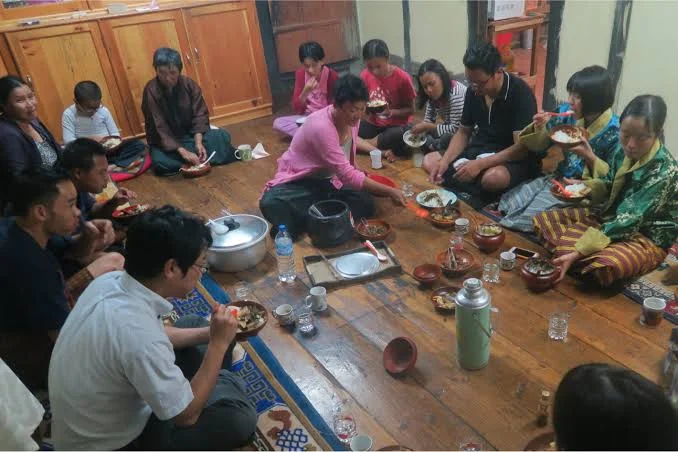
More Than Alcohol—It's Hospitality in a Cup
Across Bhutan, offering a drink is one of the simplest ways of saying,
"You belong here."
Guests are often welcomed with drinks served in beautifully crafted wooden bowls or traditional cups, sometimes accompanied by homemade snacks or dried meat.
Before meals. Before conversations. Sometimes before you've even finished introducing yourself. Elders may offer blessings with the first serving, wishing good health, happiness, and safe journeys.And don't expect your cup to stay empty for long.
Bhutanese hospitality has an almost magical ability to refill it the moment you look away.
Stories That Live Longer Than the Drink
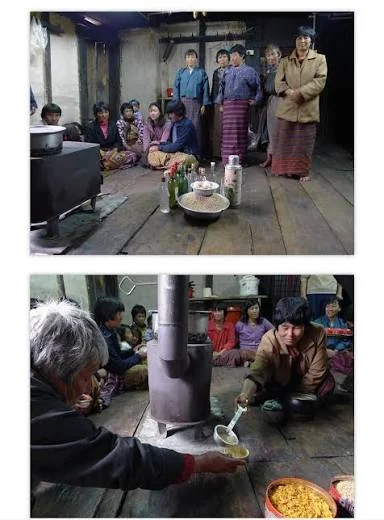
Every family has stories connected to traditional alcohol. Some recipes have been passed down for generations. Others are remembered because of weddings, festivals, reunions, or unforgettable evenings spent around a warm bukhari (Bhutanese heater/stove) while winter winds howled outside.
It's rarely just about what's inside the cup. It's about the people sitting around it. The laughter and conversations that it births. The friendly debates over whose village makes the best Ara.
(For the record, every village believes it's theirs.)
Enjoying Bhutanese Traditions Responsibly
Traditional alcohol is an important part of Bhutan's cultural heritage, but like any good thing, it's best enjoyed responsibly. The real experience isn't about drinking as much as possible. It's about slowing down, sharing stories, meeting new people. Trying homemade food. Listening to grandparents. Learning local customs.
And perhaps discovering that the strongest thing in the room isn't the Ara—it's the generosity of the people serving it.
Final Thoughts
Travelling across Bhutan isn't just about visiting dzongs or hiking to famous monasteries. It's about the moments that don't appear on postcards. Being invited into a stranger's home. Sitting beside a warm bukhari while rain taps gently on the roof. Watching your host carefully pour a cup of homemade Ara or Bangchang with genuine pride.
Listening to stories that have been told for generations. Every region of Bhutan has its own drink. Every family has its own recipe. Every village has its own opinion about whose is best. And perhaps that's exactly how it should be.
So, the next time you're travelling through Bhutan and someone offers you a warm cup of traditional alcohol, don't think of it as simply accepting a drink. You're accepting a story, a tradition and a genuine friendship.
And, if you're lucky, a very entertaining debate about why their village has been making the best Ara in Bhutan since the beginning of time. Honestly, it's a debate that's impossible to settle. Which means you'll just have to keep travelling—and tasting—until you've made up your own mind.
Frequently Asked Questions (FAQ)
WHAT IS THE LEGAL DRINKING AGE IN BHUTAN?
It is legal to buy and drink at age 18 and you can buy and consume it anywhere except in your car if you are driving.
What is the most popular traditional alcohol in Bhutan?
Ara is Bhutan's most well-known traditional alcoholic beverage. Depending on the region, it may be distilled or fermented and is commonly made from rice, millet, wheat, maize, or barley.
Which region is famous for Bangchang?
Bangchang is especially popular in eastern Bhutan, particularly in Mongar, Trashigang, Lhuentse, and Trashiyangtse, where it plays an important role in hospitality and community gatherings.
Is traditional Bhutanese alcohol homemade?
Yes. Many Bhutanese households still prepare traditional alcoholic beverages using family recipes and fermentation techniques passed down through generations.
Can tourists try traditional Bhutanese alcohol?
Absolutely. Visitors can enjoy traditional drinks at homestays, cultural festivals, and local gatherings. The best way to experience them is with local food, good conversation, and respect for Bhutanese customs.
Which traditional Bhutanese drink should I try first?
If it's your first visit, start with a warm cup of Ara. If you're travelling through eastern Bhutan, don't miss Bangchang. Better yet, try both—and then politely avoid choosing sides when locals ask which one you liked more!

![Who was the Tigress of Paro Taktsang? [Unveiling the Mystery]](https://foundbht.com/blog/uploads/pexels-pixabay-67548-medium.webp)