Tsirang Tshechu
Festival
About the Festival
Tsirang Tshechu — Festival in Bhutan’s Most Culturally Diverse Southern District
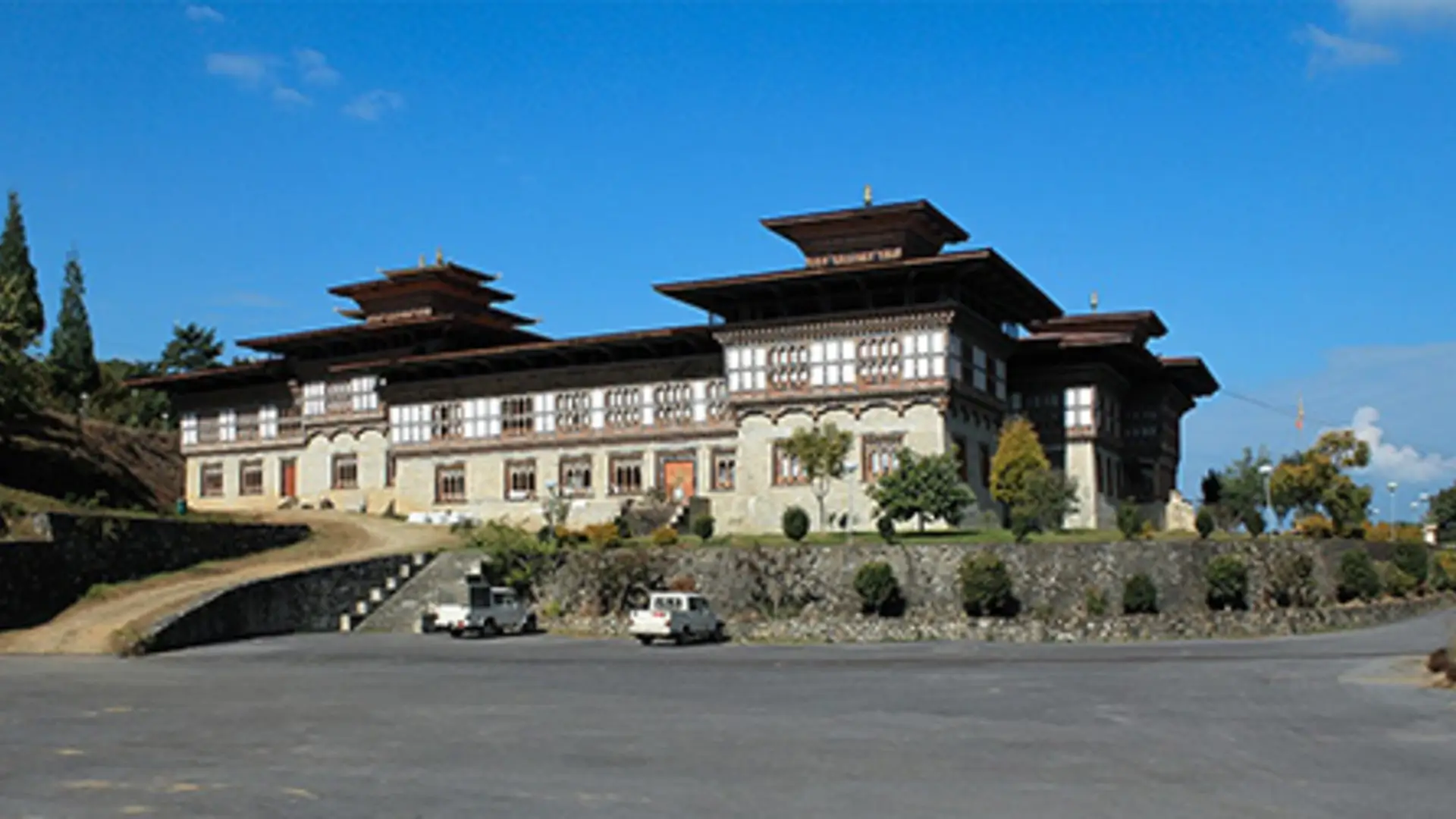
The Tsirang Tshechu is held at Tsirang Dzong in Damphu — the administrative centre of Tsirang district, a south-central Bhutanese dzongkhag of gentle subtropical slopes and mild climate along the Wangdue–Gelephu highway. Tsirang covers 639 sq km and is home to a population of around 22,000 people who represent one of the most ethnically diverse communities in Bhutan: the Lhotshampa — Nepali-speaking communities including Bhujel, Magar, Tamang, Gurung, Limbu, and Rai subgroups — alongside Ngalop communities who speak Dzongkha. Both Buddhism and Hinduism are actively practised.
The fertile slopes and valleys of the district produce paddy, maize, millet, oranges, and cardamom, making Tsirang one of the more agriculturally productive districts of southern Bhutan. The Tshechu at Tsirang Dzong is the most significant annual gathering in the district, bringing together these diverse communities for three days of Cham dances, religious rituals, and the communal celebration that defines Bhutanese festival culture regardless of language, ethnicity, or religious background.
When
See dates below
Where
Tsirang Dzong
For
All Visitors Welcome
Guide Required
Yes — Mandatory
Festival Highlights
What Makes This Festival Special
01
Sacred Mask Dances (Cham)
At the heart of the Tsirang Tshechu is the Cham dance, which is a key feature of Bhutanese religious festivals. These mask dances are performed to invoke blessings for peace, prosperity, and spiritual protection for all who witness them. The Cham dances are performed by the monks of the Tsirang monastic body in the dzong courtyard, their elaborate silk robes and lacquered masks vivid against the subtropical landscape of the Tsirang hills.
02
Religious Rituals and Blessings
The Tsirang Tshechu is as much a spiritual event as it is a cultural celebration. Along with the Cham dances, the festival also includes several important religious rituals aimed at invoking blessings for peace, health, prosperity, and good harvest upon the district’s farming communities. The Thongdrel is unveiled on the final day, drawing the entire festival to its most spiritually charged moment.
03
Cultural Celebrations and Community Engagement
The Tsirang Tshechu is not only about religious observances but also a celebration of local traditions and community life. During the festival, the streets of Tsirang are filled with the sound of traditional music, folk dances, and communal feasting. Lhotshampa folk songs and dances sit alongside Buddhist ceremonial performances — the cultural layering of Tsirang’s diverse population visible in a single festival ground.
04
Cultural Immersion
The Tsirang Tshechu offers an immersive experience into Bhutanese culture, from the Cham dances to the religious rituals, making it a must-see for anyone looking to understand Bhutan’s rich traditions at one of Bhutan’s least-visited and most authentic Tshechus. Tsirang receives very few international visitors, meaning the festival is attended almost entirely by local communities in their finest Gho, Kira, and traditional Lhotshampa dress.
05
Buddhism and Hinduism Side by Side
Tsirang is one of the few districts in Bhutan where both Buddhism and Hinduism are actively practised by significant portions of the population. The Tshechu is a Buddhist festival, but the Lhotshampa community’s attendance in their own traditional dress and jewellery gives the gathering a cultural breadth unique among Bhutanese festivals.
06
A District Shaped by the Third King
Tsirang district was formally integrated into Bhutan’s modern administrative framework during the reign of the third King, Jigme Dorji Wangchuck (1952–1972). The district’s first modern school was built in 1955 as part of his nationwide development programme. The Tsirang Tshechu exists in this context — a community gathering in a district whose modern identity was shaped by 20th-century nation-building.
Practical Information for Visitors
Plan Ahead
The festival is popular among locals and tourists alike, so it’s best to book accommodation and transportation early.
What to Wear
While attending a festival, it’s important to dress respectfully. Bhutanese people wear their traditional Gho and Kira during Tshechus, and it’s customary for visitors to dress modestly. Avoid wearing revealing clothing and wear light, modest layers — Tsirang’s subtropical climate is warm and humid, particularly in September. Comfortable shoes are recommended for walking the dzong grounds. The festival is an opportunity to observe the Lhotshampa community’s traditional dress and jewellery styles, which differ visually from the Gho and Kira of the northern Bhutanese.
Photography
Photography is allowed at most festivals, but it’s always polite to ask before taking pictures, especially of monks or religious figures. Be respectful of the rituals, and avoid using flash photography during performances.
Engage a Guide
A knowledgeable guide can enrich your understanding of the rituals and their significance. Also a certified tour guide is mandatory to attend festivals and visit most of the major tourist attractions and monuments in Bhutan
Food Options
Bhutan offers a diverse range of food options, from delicious traditional Bhutanese dishes to international cuisines, including plenty of vegetarian choices to suit every taste.
Respect Local Customs
Follow the guidance of your guide and observe the rules of the area.
Tsirang — South-Central Bhutan
The District of Gentle Slopes
Tsirang district is described in official Bhutanese documentation as a dzongkhag of “gentle slopes and mild climates” — a characterisation that captures something essential about its identity. Unlike the dramatic gorges of eastern Bhutan or the high Himalayan valleys of the north, Tsirang offers rolling subtropical hills along the Wangdue–Gelephu highway, with a landscape dominated by rice paddies, orange groves, cardamom plantations, and broadleaf forest. The district covers 639 sq km with 12 gewogs and 96 villages, administered from the main town of Damphu.
The district was formally integrated into Bhutan’s modern administrative framework during the reign of the third King, Jigme Dorji Wangchuck (1952–1972), as part of his nationwide programme of replacing fragmented governance with centralised dzongkhag-based administration. Tsirang was operational as a recognised district by 1955, when its first modern school was built. The dzong that today hosts the Tshechu serves as the administrative and monastic centre of this formally modern but culturally layered district.
Tsirang’s Diverse Communities
Tsirang’s population of around 22,000 is among the most ethnically diverse of any district in Bhutan. The Lhotshampa — meaning “people of the south” — form the majority: Nepali-speaking communities whose subgroups include the Bhujel, Magar, Tamang, Gurung, Limbu, and Rai. These communities bring with them the cultural traditions, languages, and religious practices of the Himalayan foothills: many are Hindu, practising festivals including Diwali and Dashain alongside the Buddhist Tshechu. The Ngalop — Dzongkha-speaking northern Bhutanese — are also present, primarily in the district’s administrative and monastic communities.
The result is a district where Buddhism and Hinduism are practised by roughly comparable proportions of the population — an unusual configuration in Bhutan, where the high northern valleys are overwhelmingly Buddhist. The Tsirang Tshechu, a Buddhist festival, draws attendance from across this diverse population. Visitors to the festival may observe both traditional Buddhist Gho and Kira and the distinctive dress and jewellery styles of the Lhotshampa subgroups — a cultural mosaic specific to southern Bhutan.
Agriculture and the Tsirang Economy
Tsirang’s economy is primarily agricultural. Paddy and maize are the dominant cereal crops; oranges, cardamom, and vegetables are the main cash crops, exported to markets in India and other parts of Bhutan. The district’s gentle slopes and subtropical climate are particularly suited to cardamom and citrus cultivation. The fertile soils and reliable rainfall make Tsirang one of the more food-secure districts in southern Bhutan, and the Tshechu falls at the end of the monsoon season — September — when the harvest preparations are underway and the community has reason to gather and give thanks.
Getting to Tsirang
Tsirang is located on the Wangdue Phodrang–Gelephu highway, the main north-south road axis through south-central Bhutan. Damphu, the district headquarters and festival town, is approximately 3–4 hours by road from Wangdue Phodrang, and about 2 hours from Gelephu (the border crossing with Assam). Visitors travelling the southern Bhutan circuit can incorporate the Tsirang Tshechu into an itinerary that also includes Sarpang (Royal Manas National Park access), Dagana, and the Wangdue–Punakha valley. Found Bhutan can plan the full logistics.
When is this Festival in 2026?
The Tsirang Tshechu Festival Bhutan is held annually following the Bhutanese lunar calendar. Contact us for confirmed dates and to book your trip well in advance — festival time is the busiest travel period in Bhutan.
Get Festival Dates & BookBook Your Festival Tour with Found Bhutan
Everything handled — visa, SDF, flights, accommodation, certified guide, and festival access.
Seamless Planning
We handle your Bhutan visa, SDF, flights, accommodation, certified guide, meals, and in-country transportation from arrival to departure.
Personalised Itineraries
Festival days combined with the experiences that matter most to you — treks, monasteries, village visits, or simply time to absorb Bhutan at your own pace.
Expert Local Guides
Our certified guides know every dance and every ritual. They bring the festival alive with context, stories, and insider access you won't find on your own.
You're a Guest, Not a Client
At Found Bhutan, we build relationships — not transactions. Many of our travellers return year after year, and many become lifelong friends.
Book Early
Festival tours sell out months in advance. Early bookings secure the best accommodation and guarantee your place at one of Bhutan's most extraordinary events.
Licensed & Local
Found Bhutan is a fully licensed Bhutanese tour operator. We are local, accountable, and deeply invested in showing you Bhutan at its most authentic.
Customise Your
Bhutan Tour Today
Fill in the form and our expert team will get back to you within 24 hours.
Stay in the loop
Travel stories from the Last Shangri-La
Join fellow Bhutan enthusiasts. Get our latest guides, travel tips and exclusive insights delivered to your inbox.
No spam, ever. Unsubscribe anytime.