Bhutan
Travel Blog
Stories, destination guides, festival tips and local wisdom — curated by those who know the Kingdom best.
From the Kingdom
 History & Culture
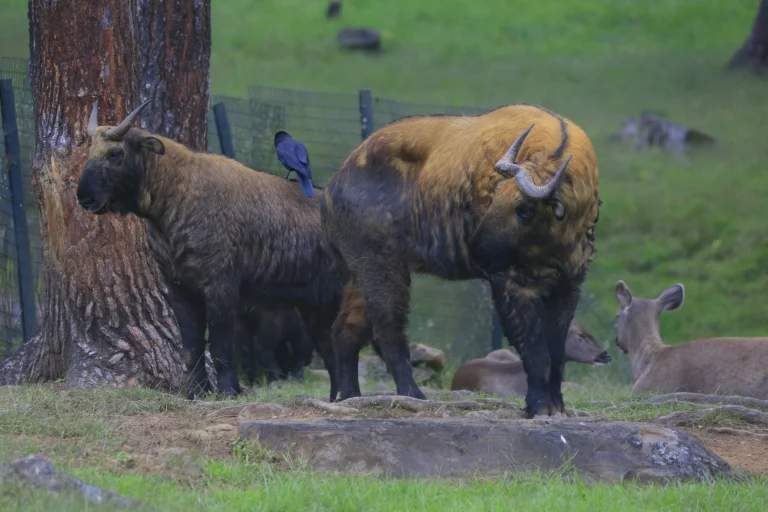
Bhutan's National Animal: The TAKIN
The Takin looks, at first glance, like it was assembled from parts of other animals and left unfinished. It has the nose of a moose, the body of a large cow, the legs of a wildebeest, and a temperament that is described by most who encounter it as deeply indifferent. Children in Bhutan reliably describe it as 'built from the wrong pieces.' This is not inaccurate.
Continue Reading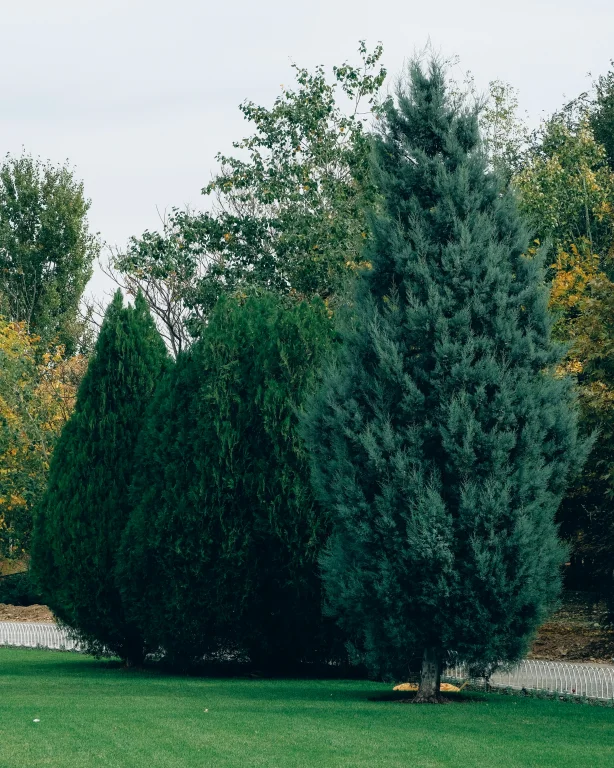 History & Culture
Bhutan’s National Tree: The Himalayan Cypress
Bhutan’s national tree, the Himalayan Cypress, is more than botany. Known locally as Tsendhen, it appears in the first line of the national anthem, guards the gateways of the country’s most sacred monasteries, and carries origin legends tied to Guru Rinpoche himself. This is the complete guide to understanding why this one tree is inseparable from Bhutanese identity.
Continue Reading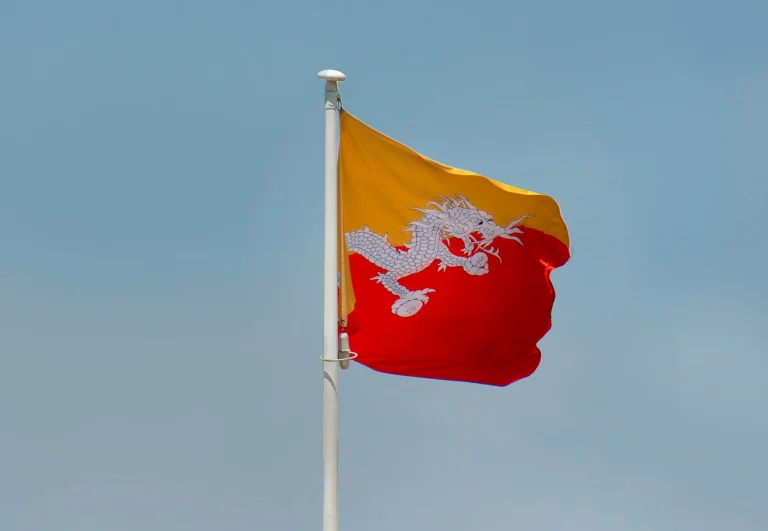 History & Culture
Bhutan National Flag - History & Meaning
Bhutan’s national flag is unlike any other in the world. A white Thunder Dragon grips wish-fulfilling jewels across a diagonal field of golden yellow and orange — each element a window into the kingdom’s history, faith, and identity. This guide explains everything.
Continue Reading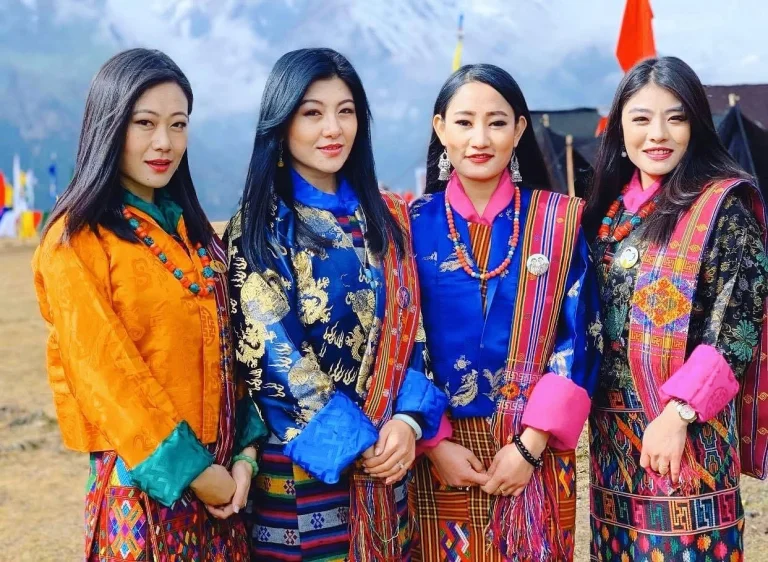 History & Culture
Bhutan's National Dress - Gho and Kira
Walk into any dzong during a Bhutanese festival and every man is wearing the same knee-length robe — but the scarves over their shoulders are different colours. White, dark blue, orange, saffron. The colours are not decorative: they are rank made visible. This is a complete guide to Bhutan’s national dress — the gho, the kira, the kabney colour hierarchy, and what every visitor needs to know before entering a dzong.
Continue Reading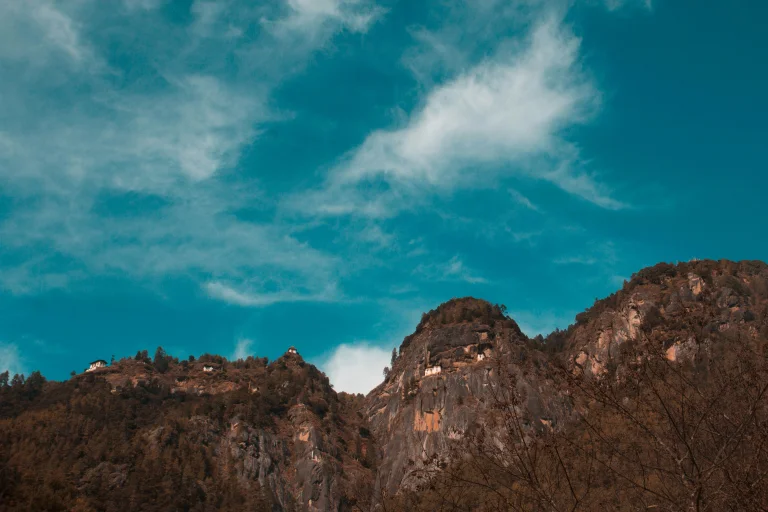 Travel
Altitude Sickness in Bhutan - How to Prepare, Prevent & Manage It
Most Bhutan visitors arrive at Paro airport at 2,235m and begin sightseeing the same day. Trekkers go considerably higher — Jomolhari base camp sits at 4,080m, and the Snowman Trek crosses Gophu La at 5,230m. But altitude sickness in Bhutan is not just a trekker's problem: Chele La Pass at 3,988m is reached by vehicle in under two hours from Paro, and Dochula Pass at 3,100m is on the standard Thimphu–Punakha road. This is the honest guide to Acute Mountain Sickness in Bhutan...
Continue Reading