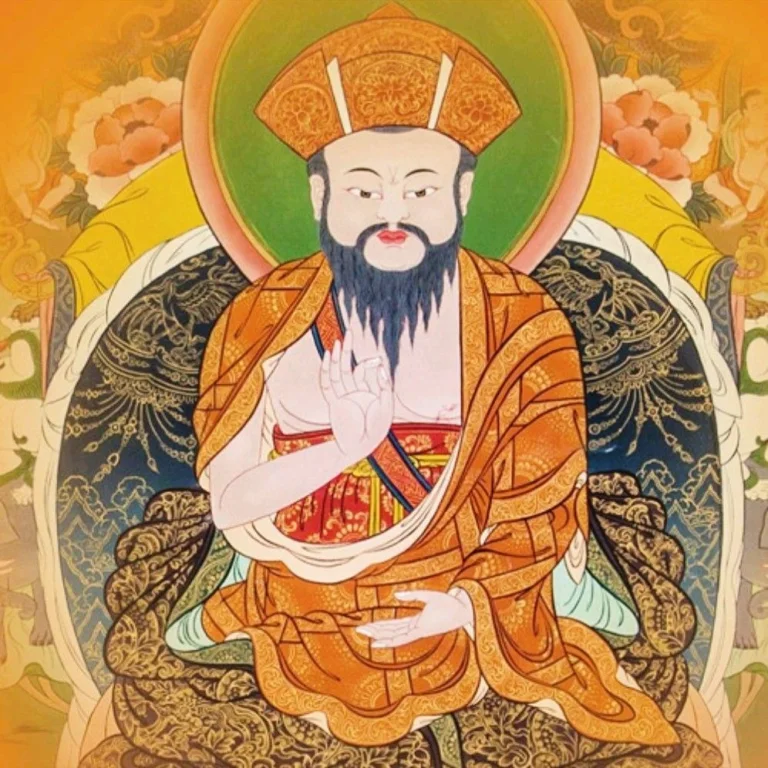
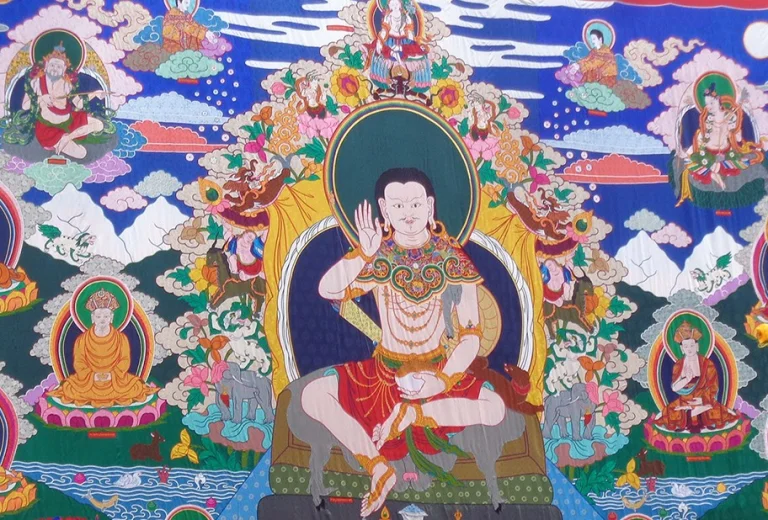
Travel anywhere in Bhutan — past dzongs, through monastery courtyards, along mountain roads in the temperate belt — and you will encounter the Himalayan Cypress. Tall, dark, and arrow-straight, these trees mark sacred sites, define the Bhutanese landscape’s distinctive silhouette, and have stood beside the country’s temples and fortresses for centuries.
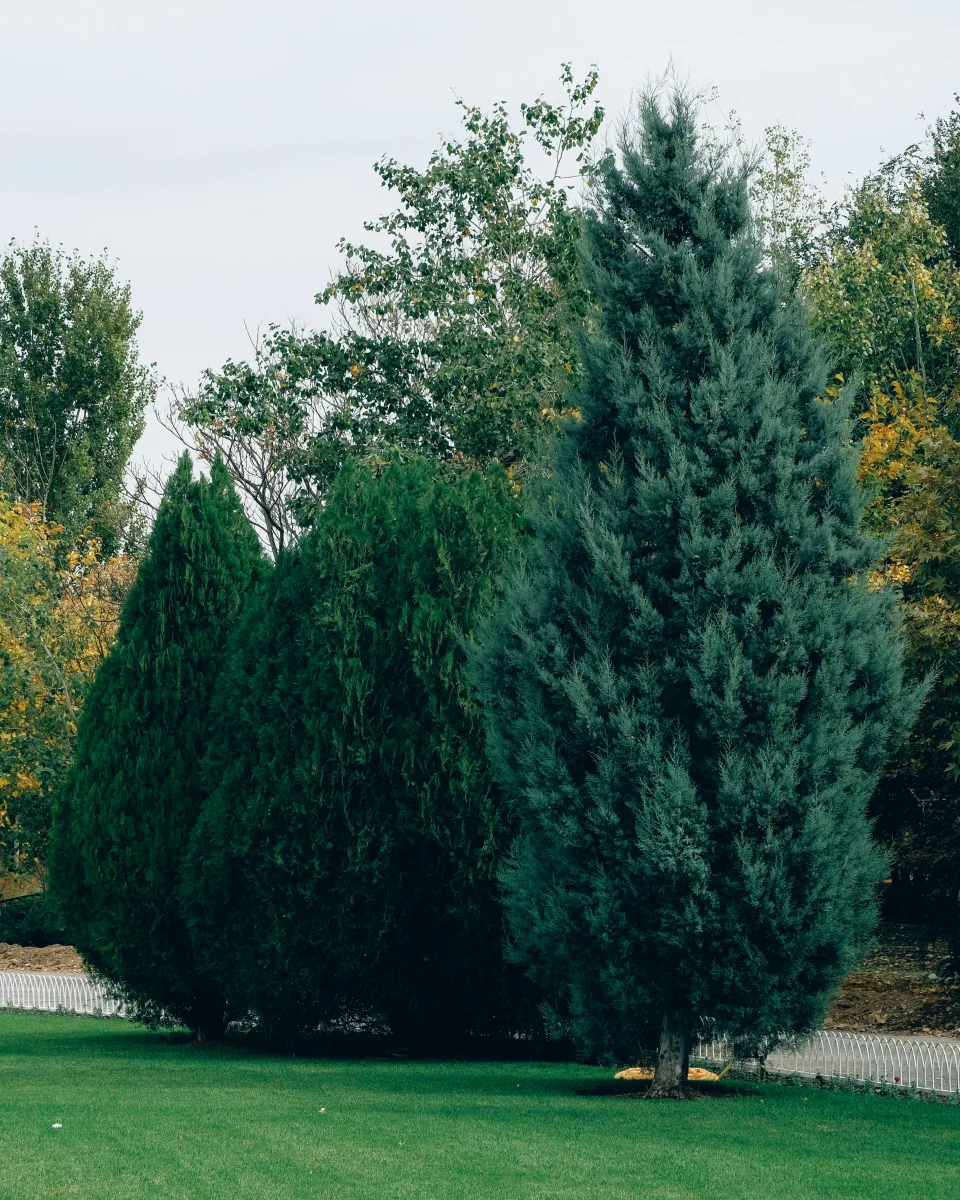
The Himalayan Cypress (Cupressus torulosa), known locally as Tsendhen, is Bhutan’s national tree. Its selection reflects a specific cultural logic: this is a tree that grows straight and strong in the harshest terrain, survives where others cannot, and has been a companion to Bhutanese spiritual life since at least the 8th century. It is the only national tree in the world named in the opening line of its country’s anthem.
This guide covers everything: the tree’s biology and habitat, its deep spiritual symbolism, the remarkable origin legends surrounding specific ancient specimens, where to see it when you visit Bhutan, and what fact-checking reveals about some commonly repeated claims.
Quick Facts: Bhutan’s National Tree
| Common Name | Himalayan Cypress / Bhutan Cypress |
| Scientific Name | Cupressus torulosa |
| Local Name (Dzongkha) | Tsendhen |
| Altitude Range | 1,800 – 3,500m above sea level |
| Mature Height | 25 – 45m (exceptional specimens over 46m) |
| Symbolism | Bravery, simplicity, longevity, spiritual connection |
| National Anthem | First line of Druk Tsendhen (adopted 1953) |
| Forest Cover (national policy) | Minimum 60% constitutionally mandated |
The Himalayan Cypress in Bhutan’s Landscape
The Himalayan Cypress occupies the temperate climate zone of Bhutan, primarily between 1,800 and 3,500 metres above sea level. It is an evergreen conifer — retaining its deep green foliage year-round — and can grow to impressive heights, with mature specimens typically reaching 25–45 metres. Some exceptional trees at ancient sacred sites exceed 46 metres.
- Distribution: Found throughout the temperate belt of Bhutan, most visibly near religious sites. The association with temples and monasteries is so consistent that the presence of large cypress trees is itself often an indicator of a sacred site nearby.
- Growth characteristics: The cypress grows straight and columnar — its characteristic vertical form gives it an architectural quality that complements the geometric profiles of Bhutan’s dzongs and monasteries. The branches are slender and drooping, with whip-like tips.
- Longevity: Individual specimens can live for centuries. The oldest cypress trees at established temple complexes have been present since those temples were built — some for well over a thousand years. The Kurjey Lhakhang specimen is believed to date to around 810 AD.
- Bark and fragrance: The grey-brown bark is thick and fibrous, peeling in longitudinal strips. The wood and foliage carry a distinctive aromatic fragrance characteristic of Bhutanese temple environments. The timber is hard, durable, and fine-grained — historically prized for construction.
- Ecology: Growing on steep limestone slopes, ridges, and cliff faces, the cypress helps stabilize mountain soil and prevent erosion. Its dense canopy also provides shelter and nesting habitat for Himalayan bird species, including the Himalayan Monal — Bhutan’s national bird. Bhutan’s constitution mandates that at least 60% of the country remain under forest cover — a policy in which the cypress plays a visible role.
The National Anthem: Where Cypress Meets Identity
The cypress appears in the first line of Bhutan’s national anthem, Druk Tsendhen (‘The Thunder Dragon Kingdom’), adopted in 1953. The opening line translates as: ‘In the Kingdom of Bhutan adorned with cypress trees...’ The opening image of the anthem is the cypress-covered landscape — establishing the tree as a foundational element of national identity, not merely a botanical selection.
One of Bhutan’s oldest epithets is Tsendhen Köpéjong — meaning ‘the country bestrewn with cypress.’ This phrase predates the modern anthem and reflects how thoroughly the tree has always defined the Bhutanese landscape in the national imagination.
Fact-check note: Druk Tsendhen is the correct spelling (some sources write ‘Tsendhen’ or ‘Tsendhen’ interchangeably). The anthem was adopted in 1953, with music composed by Aku Tongmi and lyrics attributed to Dorji Lopen Dolop Droep Namgay, possibly translated into English by Dasho Gyaldun Thinley. Both names appear in credible sources.
Symbolism: Bravery, Simplicity, and the Sacred
The Bhutanese identify with the cypress because of its capacity to grow strong and upright in rugged, inhospitable terrain. Where other trees require good soil and sheltered conditions, the cypress grows on rocky slopes and cliff faces, maintaining its straight form regardless of the conditions around it.
This quality — strength and integrity under difficult circumstances — is compared in Bhutanese culture to bravery and simplicity: the ability to remain true to one’s nature without requiring ideal conditions. These are qualities the Bhutanese consider emblematic of national character.
In the Buddhist context, the cypress carries additional layers of meaning. Its evergreen nature is associated with eternal life and enlightenment. Its upward-reaching form is seen as connecting heaven and earth. Its wood is used to craft the choesham — the traditional wooden seat of the Je Khenpo (the chief abbot of Bhutan), making it the material foundation of the kingdom’s highest religious seat.
The Sacred Legends: Cypress Trees Rooted in Bhutanese Mythology
What sets Bhutan’s relationship with the cypress apart from a simple national symbol is the extraordinary mythology surrounding specific ancient trees. Every old cypress in Bhutan tends to have a story — and the most remarkable trace their origins to the 8th century and the visits of Guru Rinpoche (Padmasambhava), who is credited with establishing Buddhism in Bhutan.
The Cypress at Kurjey Lhakhang, Bumthang
Within the sacred grounds of Kurjey Lhakhang in Chhoekhor Valley, Bumthang, stands one of Bhutan’s most revered cypress trees. Measured at 46.3 metres tall with a trunk diameter of over 200 cm, it is one of the largest in the country. According to tradition, this tree sprouted from the walking stick of Guru Rinpoche, planted in the ground around 810 AD during his visit to subdue a demon deity afflicting King Sindhu Raja. For visitors to Kurjey Lhakhang — one of Bhutan’s holiest sites — this cypress is as much a pilgrimage object as the temple itself.
The Cypress at Baylangdra, Wangdue
The second great legendary cypress stands at Baylangdra in Wangdue Phodrang district, at an elevation of 2,360 metres. This tree is also said to have grown from Guru Rinpoche’s walking stick, planted as a sign that sacred treasures were hidden at the site. Its forked crown, visible from a specific vantage point, is said to show exactly where a palm would rest against a walking stick — proof of its miraculous origin, according to local tradition.
The Baylangdra cypress is believed to house holy relics and is said to confer blessings equivalent to five monasteries. Every year, on the 15th day of the 8th month of the Bhutanese lunar calendar, the entire local community (all 35 households of Bay chiwog) gathers for Tsendhen Tshechu — a day-long festival of circumambulation, ritual, and communal celebration dedicated entirely to this tree. The festival sponsorship rotates among community members each year.
The Changzamtog Cypress, Thimphu
In central Thimphu, the famous cypress at Changzamtog is associated with the 15th-century saint Drukpa Kuenley, the Divine Madman, who is said to have planted his walking stick in an open chorten there. The tree that grew from it became one of the tallest living landmarks in central Thimphu for centuries and remains a local reference point to this day.
The Cypress at Religious Sites: A Living Archive
The planting of cypress trees beside monasteries and temples is an old Bhutanese tradition with both practical and spiritual dimensions. The tree’s longevity means that specimens planted at a site’s founding persist for centuries, becoming living witnesses to history. Several of Bhutan’s most important monasteries are surrounded by cypress trees that predate any living memory.
The fragrance of cypress wood is also significant. Bhutanese incense almost always incorporates Tsendhen, and the smell of burning cypress is one of the most distinctive sensory experiences of a Bhutanese temple interior — a fragrance travellers remember long after leaving the country. Beyond incense, cypress wood is burned in sang — the traditional smoke-offering ritual performed at religious sites and before important journeys — and features in funeral pyres, where it is prized for its aromatic nature, high-intensity burn, and ease of lighting. Cypress timber has also historically been used in the construction of dzongs, temples, and monasteries, prized for its hardness, durability, and aromatic quality.
Beyond incense and construction, cypress has uses in traditional Bhutanese medicine (Sowa Rigpa). The essential oil from cypress foliage has antimicrobial and aromatic properties, and Bhutan cypress oil has in recent years become a small artisan export — distilled from sustainably wild-harvested branches and appreciated internationally for its clean, resinous fragrance.
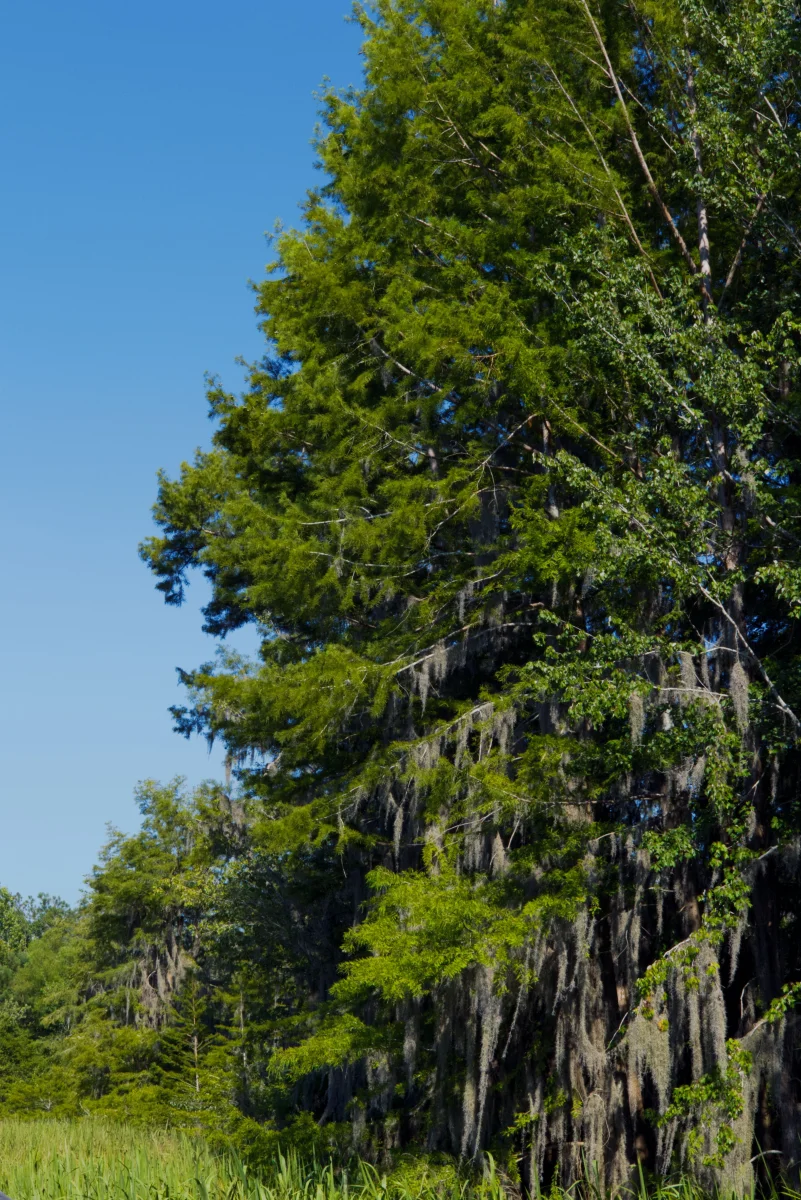 Where to See the Most Remarkable Cypress Trees in Bhutan
If you want to experience Bhutan’s relationship with the cypress firsthand, these are the sites worth prioritizing:
- Kurjey Lhakhang, Bumthang Valley: Home to the legendary Guru Rinpoche cypress, measured at 46.3m — one of the tallest and most sacred trees in the country. The surrounding Chhoekhor Valley in Bumthang is also among the most beautiful in Bhutan.
- Punakha Dzong: Surrounded by cypress trees that frame this magnificent fortress at the confluence of two rivers. Some of the most photographed dzong-and-cypress landscapes in Bhutan are here.
- Tashichho Dzong, Thimphu: The seat of the Bhutanese government is flanked by mature cypress groves that emphasize its architectural grandeur.
- Tiger’s Nest (Paro Taktsang) trail: Cypress trees line the path up to Bhutan’s most iconic monastery, their fragrance accompanying the climb to 3,120 metres.
- Baylangdra, Wangdue Phodrang: For those interested in living mythology, this is where the annual Tsendhen Tshechu festival takes place on the 15th day of the 8th Bhutanese lunar month.
- Pangrizampa Temple, Thimphu: Home to what is believed to be the most massive cypress in Bhutan by trunk girth — a specimen with a trunk spanning several metres, dwarfing the trees at most other sites. Less visited than Tashichho Dzong, which makes it a rewarding detour for those who want to see the tree at its most extraordinary scale.
Fact-Check: Common Claims About Bhutan’s National Tree
In researching this article, we verified the key claims that circulate about the Himalayan Cypress. Here’s what the evidence shows:
| Claim | Verdict |
| ✅ Anthem opens with cypress imagery | Confirmed. Druk Tsendhen (1953): ‘In the Kingdom of Bhutan adorned with cypress trees...’ |
| ✅ Scientific name Cupressus torulosa | Confirmed as the officially recognized national tree species. Note: botanists have also identified distinct Bhutan-specific varieties at sacred sites — variously classified as C. corneyana, C. cashmeriana, or the formally proposed C. bhutanica (2012). The taxonomy remains contested; in Bhutan all are called Tsendhen and equally revered. |
| ✅ Kurjey cypress height 46.3m | Confirmed by Bhutan Pelyab Tours and field surveys. |
| ✅ Guru Rinpoche visit ~810 AD | Confirmed by multiple historical and religious sources. |
| ✅ Tsendhen Tsechu: 15th day, 8th Bhutanese month | Confirmed by The Bhutanese newspaper and multiple sources. |
| ✅ 60% forest cover constitutional mandate | Confirmed. Article 5 of Bhutan’s Constitution mandates at least 60% forest cover be maintained indefinitely. |
| ✔ Choesham (Je Khenpo’s seat) made from cypress | Reported by multiple sources including interesting-things.com. Plausible and consistent with cultural use of cypress for sacred objects; treat as strong tradition. |
| ⚠️ Anthem title spelling | Both ‘Druk Tsendhen’ and ‘Druk Tsenden’ appear across sources. ‘Druk Tsendhen’ is the more commonly cited official spelling. |
Frequently Asked Questions
What is the national tree of Bhutan?
The Himalayan Cypress (Cupressus torulosa), known locally as Tsendhen, is Bhutan’s national tree. It grows in the temperate zone between approximately 1,800 and 3,500 metres, is closely associated with religious sites throughout the country, and appears in the first line of Bhutan’s national anthem, Druk Tsendhen, adopted in 1953.
Why is the cypress Bhutan’s national tree?
The cypress represents bravery and simplicity — its ability to grow straight and strong in rugged, inhospitable terrain is compared to the Bhutanese national character. Its centuries-long association with temples and monasteries also embeds it in the country’s spiritual landscape. Bhutan’s oldest epithet, Tsendhen Köpéjong, means ‘the country bestrewn with cypress.’
What does ‘Tsendhen’ mean?
Tsendhen is the Dzongkha (Bhutanese national language) name for the Himalayan Cypress. It is the word used in the national anthem and is how Bhutanese people most commonly refer to their national tree.
Where is the cypress mentioned in Bhutanese culture?
The cypress appears in the first line of Bhutan’s national anthem. It is present at virtually every major temple and dzong in the country. Specific ancient cypress trees are associated with the 8th-century saint Guru Rinpoche, and an annual festival, Tsendhen Tsechu, is held in honour of the sacred cypress at Baylangdra, Wangdue Phodrang.
What are the uses of cypress in Bhutan?
Cypress wood has historically been used to construct temples, monasteries, and dzongs. Cypress branches and wood are burned as incense in religious ceremonies, producing one of the most distinctive fragrances of Bhutanese sacred spaces. The wood is also used for religious artefacts including the choesham, the traditional seat of Bhutan’s chief abbot. More recently, Bhutan cypress essential oil — distilled from sustainably harvested foliage — has emerged as a small artisan export product.
Can you see the famous Guru Rinpoche cypress at Kurjey Lhakhang?
Yes. The legendary cypress associated with Guru Rinpoche’s visit around 810 AD stands within the grounds of Kurjey Lhakhang in Bumthang Valley. At 46.3 metres tall with a trunk diameter exceeding two metres, it is one of the most impressive trees in Bhutan and a pilgrimage site in its own right. Bumthang is a highlight of any cultural tour of Bhutan.
Is Bhutan’s cypress the same species found in other Himalayan countries?
Cupressus torulosa grows across the western Himalayas, from northern Pakistan through India to Nepal. However, its designation as a national symbol is unique to Bhutan, where a closely related variety — associated with Bhutan’s eastern Himalayan forests and sacred sites — is sometimes classified separately. In Bhutan, both are called Tsendhen and are equally revered.