The answer reveals a fascinating story that stretches across centuries of Himalayan history, Buddhist traditions, cultural exchanges, and evolving national identity.
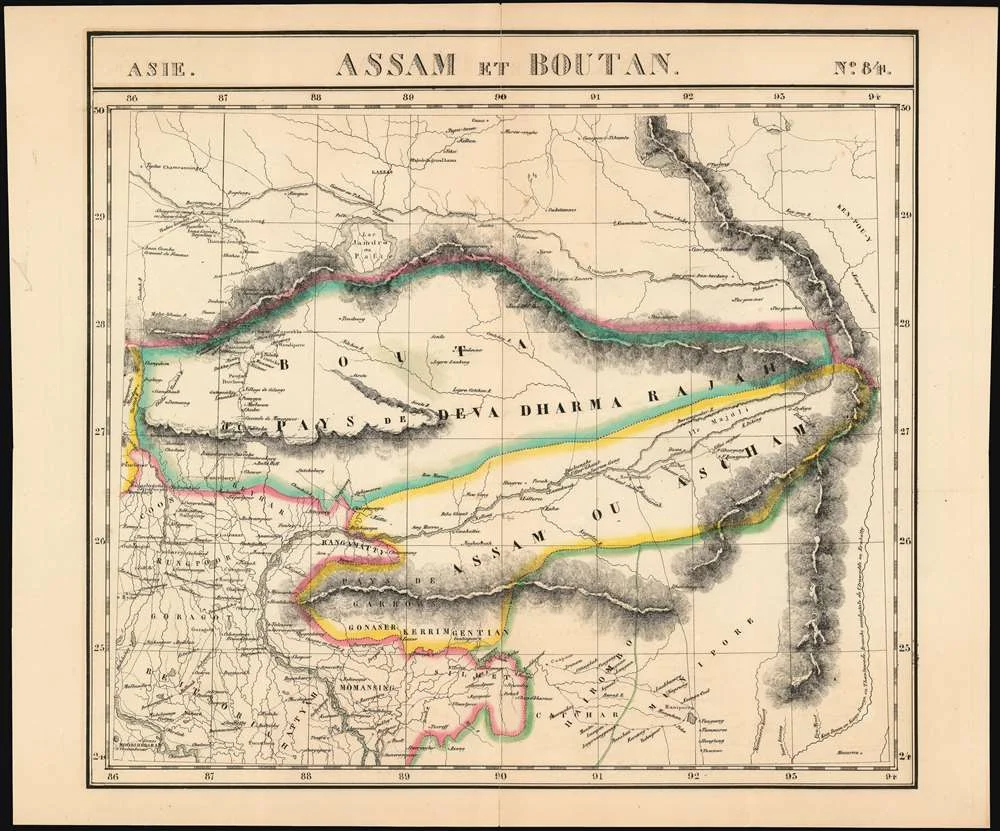
Known internationally as Bhutan, the country is also called Druk Yul, meaning "Land of the Thunder Dragon." Throughout history, it has been known by several other names, including Lho Mon, Lho Mon Kha Zhi, and Menjong. Each name offers valuable insight into Bhutan's geography, culture, religion, and relationship with neighboring civilizations.
Drawing upon the research of renowned Bhutanese historian Dr. Karma Phuntsho, these historical names help us understand how Bhutan evolved from a collection of Himalayan communities into the modern kingdom admired today for its unique culture, Gross National Happiness philosophy, pristine environment, and living Buddhist heritage.
What Does the Name Bhutan Mean?
The origin of the name Bhutan remains a topic of scholarly discussion. Historians generally agree that the term was not originally used by the inhabitants of the country themselves. Instead, it likely emerged through interactions with neighboring cultures and later became established in international usage.
One widely accepted theory traces the word Bhutan to the Sanskrit term Bhoṭānta, meaning "the end of Tibet" or "the southern edge of Tibet." This interpretation reflects Bhutan's geographical position along the southern slopes of the Himalayas, bordering the Tibetan cultural sphere.
Another theory derives Bhutan from Bhu-Uttan, which translates as "high land." Given Bhutan's dramatic mountain landscapes, soaring peaks, and deep valleys, this explanation is equally plausible.
Today, Bhutan is the official name recognized worldwide, yet within the country, many Bhutanese continue to identify strongly with another name: Druk Yul, the Land of the Thunder Dragon.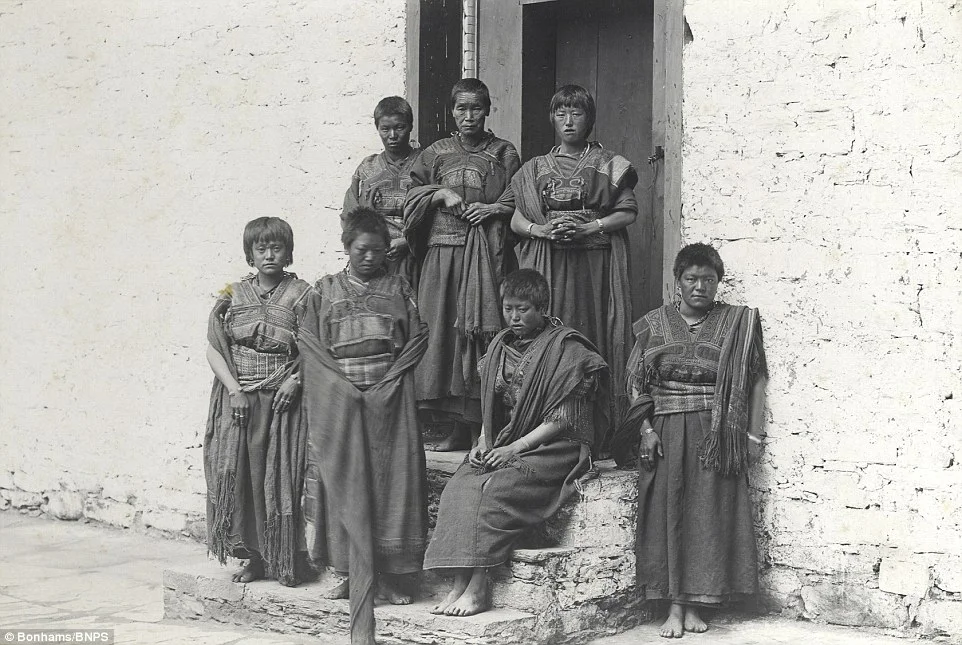
Why Is Bhutan Called the Land of the Thunder Dragon?
Among all the names associated with Bhutan, none carries greater cultural significance than Druk Yul.
The term translates directly as "Land of the Thunder Dragon" and is deeply connected to the Drukpa Kagyu school of Mahayana Buddhism, which became the dominant religious tradition in Bhutan.
According to Bhutanese tradition, the sound of thunder rolling through the Himalayan mountains resembled the roar of dragons. Over time, the dragon became a powerful symbol of spiritual authority, national unity, and Bhutanese identity.
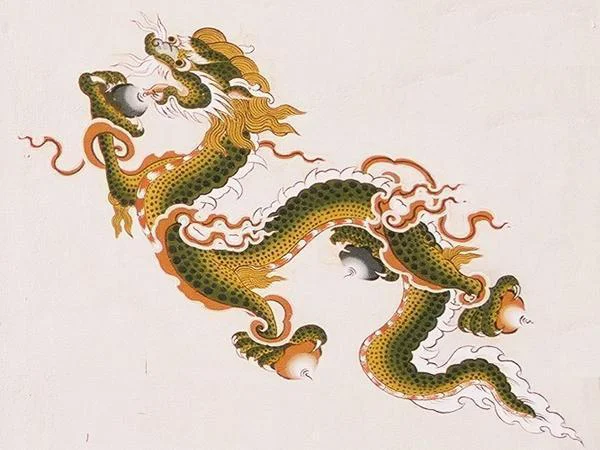
Even today, visitors traveling to Bhutan will encounter the dragon everywhere:
- On the national flag.
- In monastery murals.
- During religious festivals.
- In traditional architecture.
- Within the title of the King, known as the Druk Gyalpo or Dragon King.
- Names of various names.
For this reason, Bhutan is often referred to internationally as the Kingdom of the Thunder Dragon.
What Other Names Has Bhutan Had Throughout History?
Before Bhutan emerged as a unified kingdom in the seventeenth century, historical records referred to the region by several different names.
Lho Mon – The Southern Land
One of the oldest known names for Bhutan is Lho Mon.
In Tibetan, Lho means south, while Mon referred to the indigenous peoples inhabiting the eastern Himalayas. The term can therefore be understood as "The Southern Land."
This name appears in historical Tibetan sources and reflects how the region was viewed from the Tibetan plateau. Rather than describing a single nation, Lho Mon referred to a culturally diverse frontier region inhabited by various communities, languages, and traditions.
Lho Mon Kha Zhi – The Southern Land of Four Gateways
Another historical designation was Lho Mon Kha Zhi, often translated as "The Southern Land of Four Approaches" or "The Southern Land of Four Gateways."
The name refers to the strategic mountain routes that connected Bhutan to neighboring regions. Despite its rugged terrain and relative isolation, Bhutan has long been part of wider networks of trade, pilgrimage, and cultural exchange throughout the Himalayas.
Menjong – The Land of Medicinal Herbs
Bhutan was also known as Menjong, meaning "The Land of Medicinal Herbs."
The name reflects Bhutan's extraordinary biodiversity and rich tradition of herbal medicine. From subtropical forests in the south to alpine meadows in the north, Bhutan hosts thousands of plant species used in traditional healing practices.
Even today, traditional Bhutanese medicine continues to rely on medicinal plants gathered from the country's mountains and valleys.
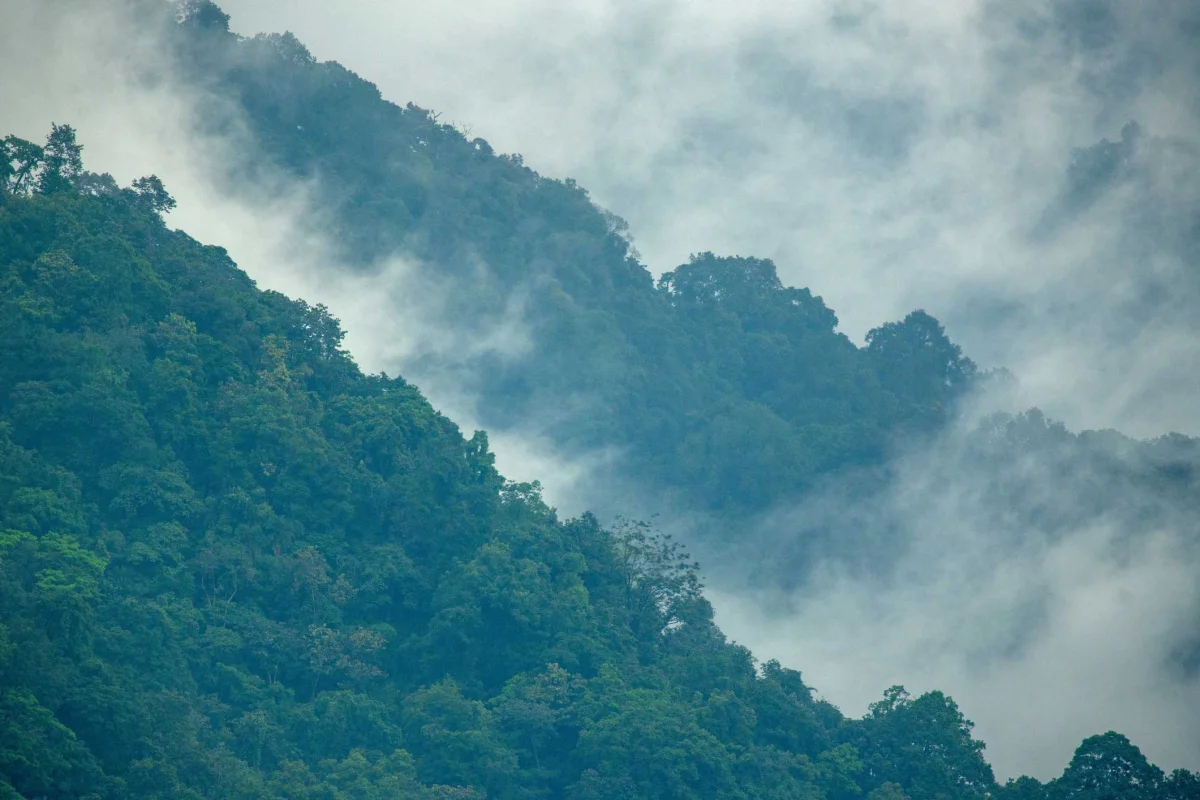
The Many Names of Bhutan Reflect the Kingdom's Rich Identity
Bhutan's historical names are more than geographical labels. They reveal different dimensions of the country's identity.
- Bhutan highlights its place within the Himalayan world.
- Druk Yul reflects the country's Buddhist heritage and national spirit.
- Lho Mon preserves memories of ancient frontier communities.
- Lho Mon Kha Zhi recalls historical routes of connection and exchange.
- Menjong celebrates Bhutan's natural abundance and traditional knowledge.
Together, these names tell the story of a nation shaped by mountains, Buddhism, biodiversity, and centuries of cultural continuity.
Whether you know it as Bhutan, Druk Yul, the Kingdom of the Thunder Dragon, or Menjong, the country remains one of the world's most fascinating destinations—a place where history, culture, and tradition continue to thrive amidst the majestic Himalayas.