History & Culture
Read our History & Culture guides, stories, and travel tips — written by the team at Found Bhutan, Bhutan's local travel experts.
23 ArticlesStories about History & Culture
 History & Culture
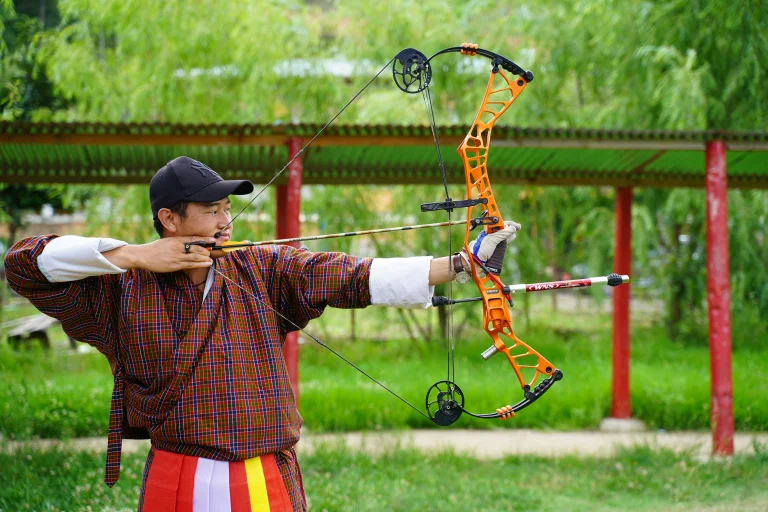
Archery in Bhutan: The National Sport Explained
Bhutan’s national sport is played at 140–145 metres — more than twice the Olympic distance — with the opposing team dancing and singing in front of the target while you shoot. This complete guide covers the rules, rituals, equipment, spiritual dimension, and exactly where to watch or try it for yourself.
Continue Reading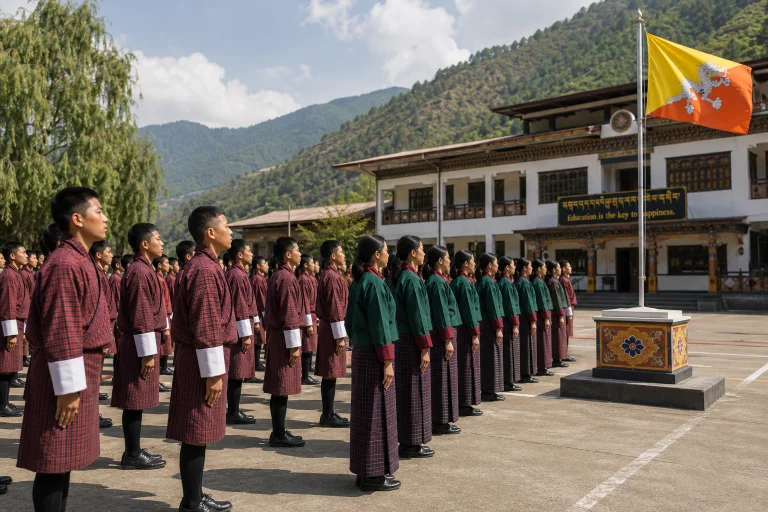 History & Culture
Bhutan’s National Anthem: Druk Tsendhen
Druk Tsendhen — “The Thunder Dragon Kingdom” — is Bhutan’s national anthem. Composed in 1953, its six lines move from cypress trees to diamond-being to a prayer for the king’s eternal reign. This guide covers the full Dzongkha lyrics and transliteration, the English translation line by line, the history of its composition, and what every word reveals about Bhutan’s culture, Buddhism, and national identity.
Continue Reading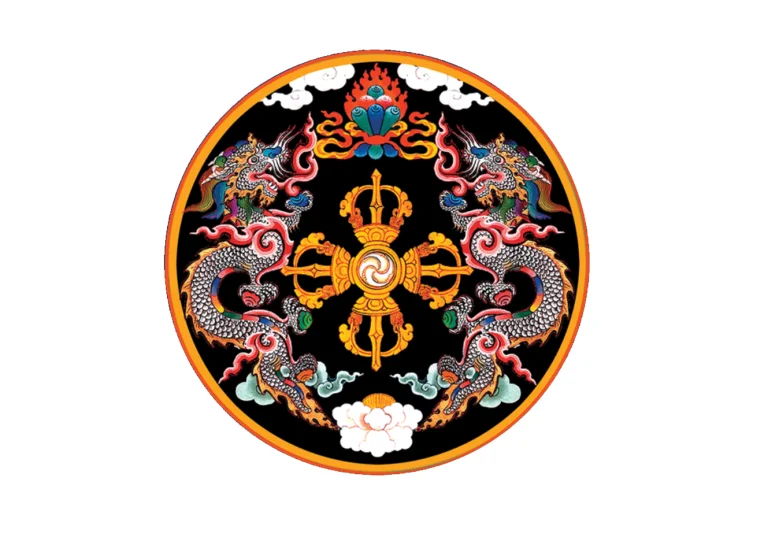 History & Culture
Bhutan’s National Emblem: The Vajra, the Lotus, and the Thunder Dragons
Most guides to Bhutan’s national emblem stop at the surface. This one goes deeper — into the Buddhist iconography behind the dorje, the Tantric tradition of the vishvavajra, the 17th-century governance philosophy encoded in the composition, and what these symbols actually mean when you encounter them on a dzong wall, a passport stamp, or a ceremonial gateway. Written by a locally based team in Phuentsholing, this is the most thorough guide to Bhutan’s national emblem in English.
Continue Reading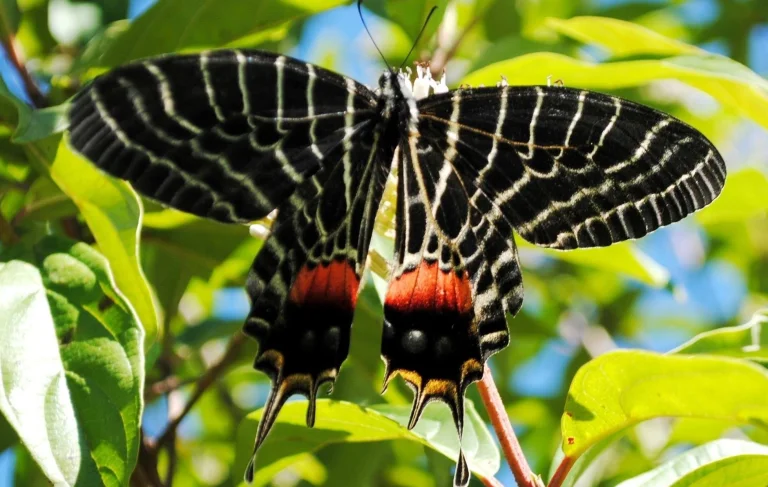 History & Culture
Bhutan’s National Butterfly: Ludlow’s Bhutan Glory
Bhutan’s national butterfly was known from just five specimens collected in 1933, then vanished from scientific record for 75 years. Ludlow’s Bhutan Glory — Endangered, CITES-protected, and peaking in August in a remote corner of eastern Bhutan — is one of the most extraordinary national symbols in the world.
Continue Reading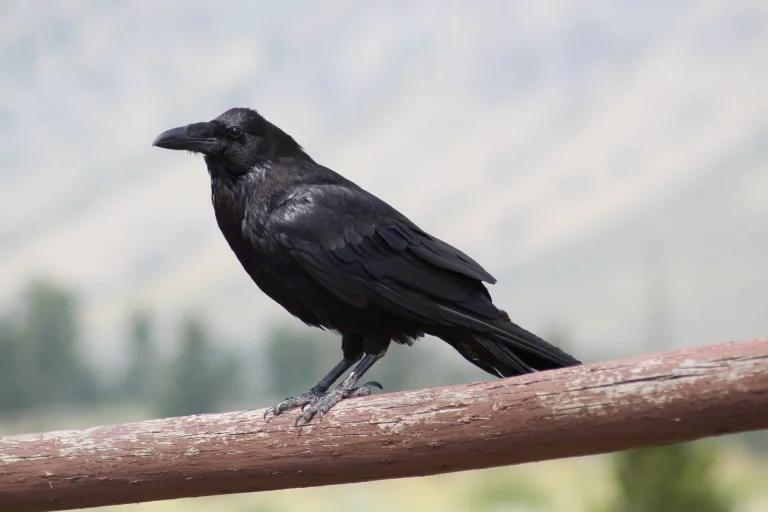 History & Culture
Bhutan’s National Bird: The Raven - Guardian Deity, Royal Crown & National Symbol
Bhutan’s national bird is not just a symbol — it sits on the royal crown and is believed to be a manifestation of the kingdom’s chief guardian deity. This guide covers the raven’s spiritual significance, natural history, and where to see them in Bhutan.
Continue Reading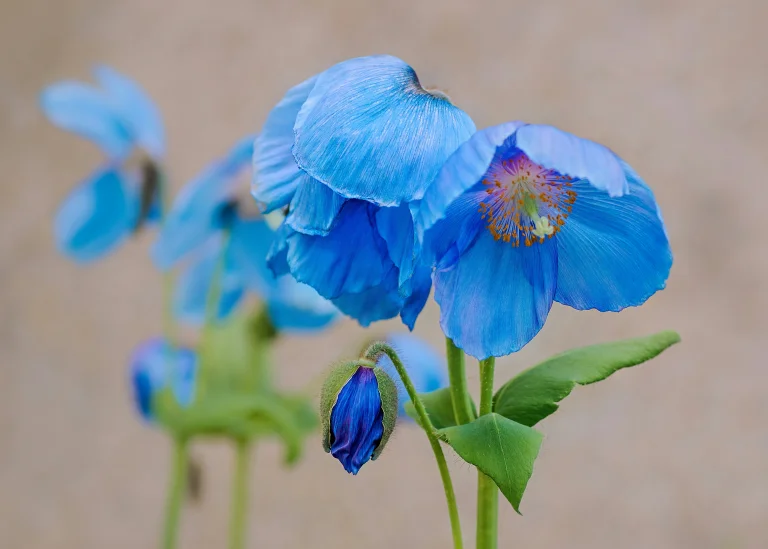 History & Culture
Bhutan's National Flower: The Himalayan Blue Poppy
The Himalayan Blue Poppy grows above 3,500m, blooms for only a few weeks each year, and was considered mythical by Western botanists until 1933. This is Bhutan’s national flower — its name, science, symbolism, Buddhist significance, and exactly where to see it in the wild.
Continue Reading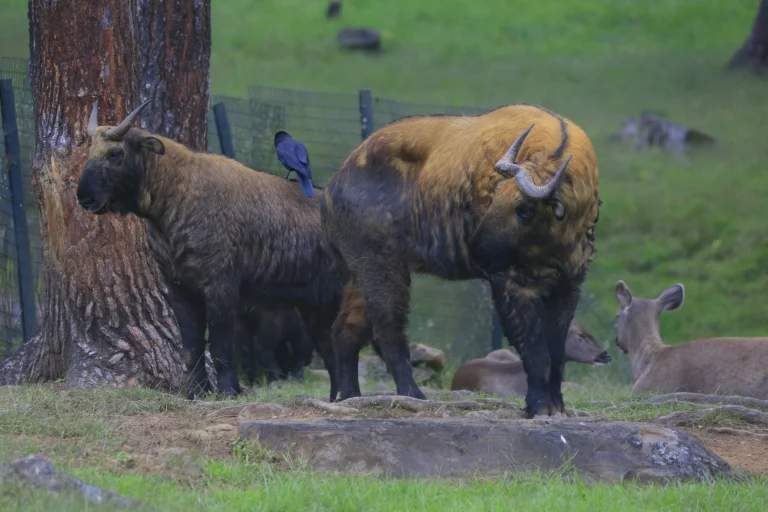 History & Culture
Bhutan's National Animal: The TAKIN
The Takin looks, at first glance, like it was assembled from parts of other animals and left unfinished. It has the nose of a moose, the body of a large cow, the legs of a wildebeest, and a temperament that is described by most who encounter it as deeply indifferent. Children in Bhutan reliably describe it as 'built from the wrong pieces.' This is not inaccurate.
Continue Reading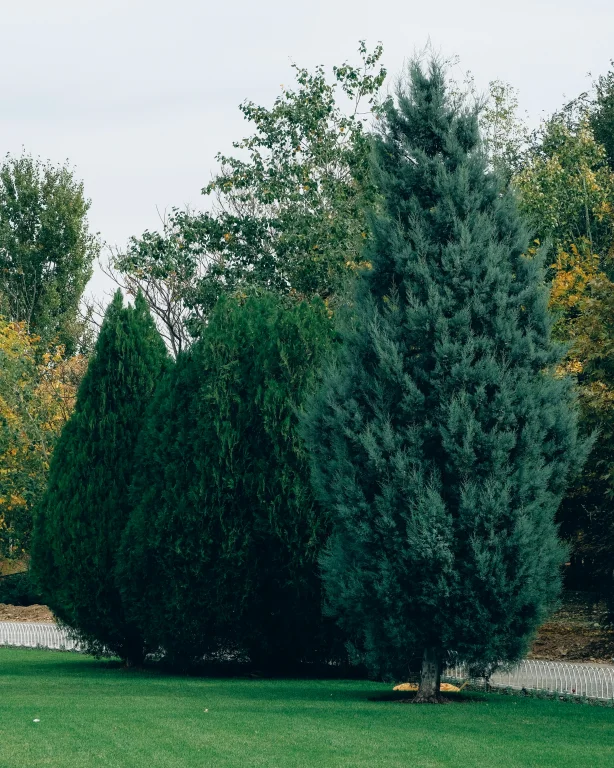 History & Culture
Bhutan’s National Tree: The Himalayan Cypress
Bhutan’s national tree, the Himalayan Cypress, is more than botany. Known locally as Tsendhen, it appears in the first line of the national anthem, guards the gateways of the country’s most sacred monasteries, and carries origin legends tied to Guru Rinpoche himself. This is the complete guide to understanding why this one tree is inseparable from Bhutanese identity.
Continue Reading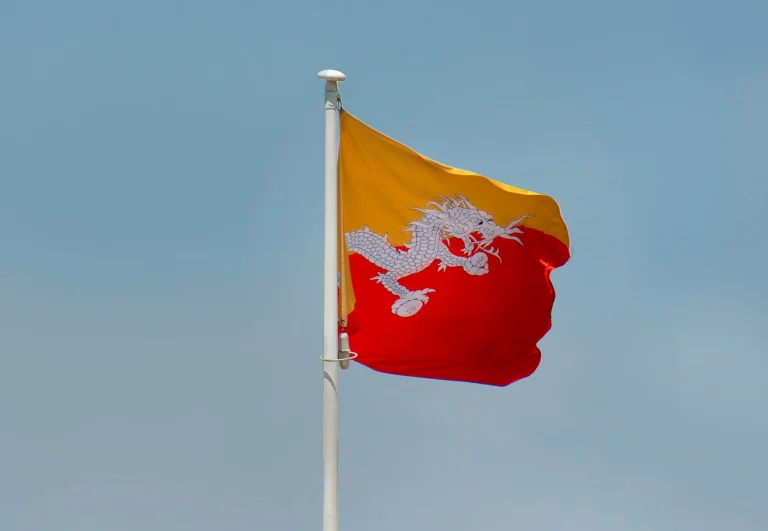 History & Culture
Bhutan National Flag - History & Meaning
Bhutan’s national flag is unlike any other in the world. A white Thunder Dragon grips wish-fulfilling jewels across a diagonal field of golden yellow and orange — each element a window into the kingdom’s history, faith, and identity. This guide explains everything.
Continue Reading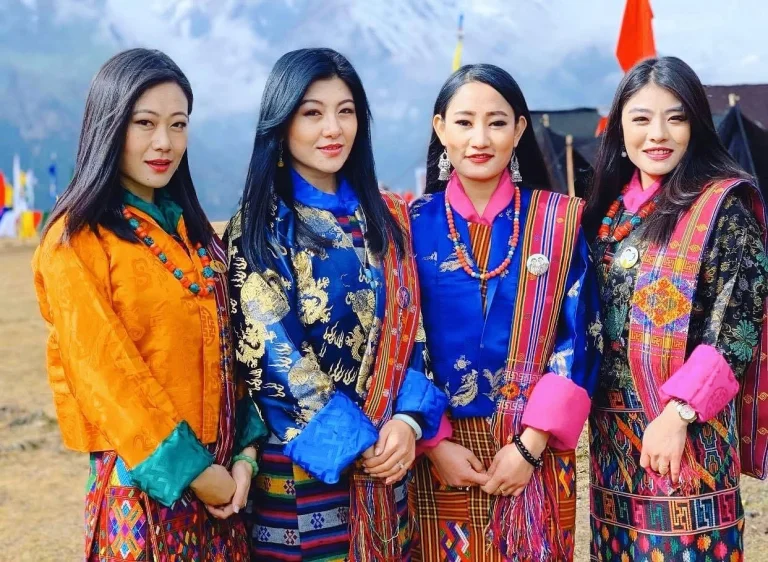 History & Culture
Bhutan's National Dress - Gho and Kira
Walk into any dzong during a Bhutanese festival and every man is wearing the same knee-length robe — but the scarves over their shoulders are different colours. White, dark blue, orange, saffron. The colours are not decorative: they are rank made visible. This is a complete guide to Bhutan’s national dress — the gho, the kira, the kabney colour hierarchy, and what every visitor needs to know before entering a dzong.
Continue Reading